Morocco Capital Guide: History, Culture, and Must-Know Facts
Table of Contents
Exploring Rabat, the capital of Morocco, reveals a city steeped in history and culture. This guide will lead you through Rabat’s top spots, travel advice, and key facts.

Rabat, Morocco’s capital, is a captivating mix of old and new. You’ll learn about its importance and why it’s a key place to visit.
Key Takeaways
- Learn essential facts about Morocco’s capital
- Discover Rabat’s rich history and cultural heritage
- Explore must-visit sites and practical travel tips
- Understand the city’s significance and attractions
- Plan your trip to Rabat with confidence
Discovering Rabat: The Capital of Morocco
Exploring Morocco leads you to Rabat, its capital, filled with history and culture. A local proverb says, “Rabat is a city that wears its history on its sleeve.” This introduction will give you the basics about Rabat, its location, and climate. You’ll see why Rabat is truly unique.
Basic Facts About Morocco’s Capital City
Rabat, Morocco’s capital, has over 570,000 people, making it the second-largest city after Casablanca. It’s where many government buildings are, like the Royal Palace and Parliament. Rabat is also a cultural center, hosting many festivals and events.
With its rich history and cultural heritage, Rabat is a must-see for anyone exploring Morocco.
Geographic Location and Climate
Rabat sits on the Atlantic coast, where the Bou Regreg River meets the sea. Its geographic location has helped it grow through trade and cultural exchange. The climate is Mediterranean, with mild winters and warm summers.
The city’s coastal location keeps the temperature pleasant. Rabat gets an average of 300 days of sunshine a year. This makes it a great place to visit, with its history and culture.
The Rich History of Morocco’s Capital
Rabat is a city with a long and complex history. It is the capital of Morocco and a symbol of the country’s rich culture and history.
Ancient Origins and Founding
Rabat was founded in the 12th century by the Almohad dynasty. It started as a military base. The city played a key role in battles against tribes and Christian kingdoms.
Imperial City Status

In the 17th century, Rabat became a safe haven for Muslims and Jews fleeing Spain and Portugal. This brought skilled people who helped the city grow and develop. It became an imperial city under the Alaouite dynasty.
French Protectorate Period
From 1912 to 1956, Rabat changed a lot under French rule. The French built new roads, buildings, and utilities. This made the city look different and made it the administrative center of Morocco.
Post-Independence Development
After gaining independence in 1956, Rabat kept growing. The city focused on education, healthcare, and infrastructure. Today, it is a lively capital that blends old traditions with new developments.
| Period | Significant Events | Impact on Rabat |
|---|---|---|
| 12th Century | Founded by Almohad dynasty | Established as a military base |
| 17th Century | Influx of refugees from Spain and Portugal | Cultural and economic growth |
| 1912-1956 | French protectorate | Modernization of infrastructure |
| Post-1956 | Independence and national development | Continued growth and modernization |
Learning about Rabat’s history gives us a deeper understanding of the city today. The morocco capital name is tied to its past. The map of morocco capital shows its strategic spot. And morocco capital remains a center of culture and economy.
Cultural Heritage of Rabat
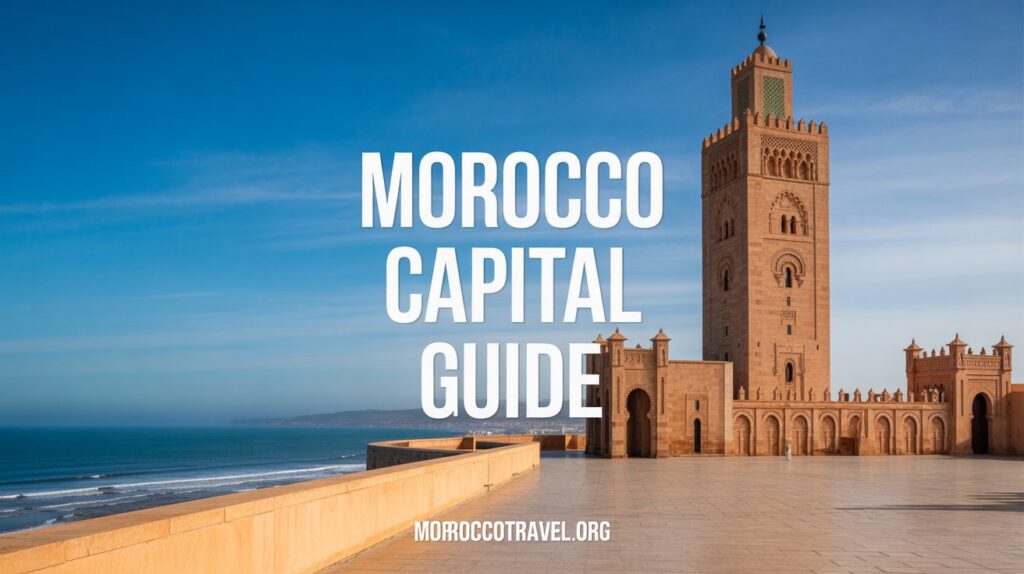
Rabat’s rich cultural heritage shows its complex history. As Morocco’s capital, it has mixed cultures, blending old and new.
Architectural Styles and Influences
The architecture in Rabat shows its diverse cultures. You’ll see Moroccan and European styles together, making the city unique.
Traditional Moroccan Elements
Traditional Moroccan buildings use bright colors and detailed patterns. These are seen in many of Rabat’s old buildings.
Zellij tile work is a key part of Moroccan art. It decorates walls and floors with beautiful designs.
European Influences
European, mainly French, styles are also seen in Rabat. The city’s colonial past brought Art Deco and Neo-Classical buildings, adding to its mix.
“The blend of styles in Rabat’s architecture reflects the city’s history as a crossroads of cultures.”
Arts, Crafts, and Music
Rabat is alive with art and crafts. Old skills like woodworking and pottery are kept alive, along with new art.
The city has many cultural events and festivals. These show off its rich music, from Gnawa to modern styles.
Religious and Cultural Celebrations
Rabat celebrates many festivals all year. Its calendar is full of events that show its diverse heritage, from Islamic holidays to cultural festivals.
“Rabat’s cultural celebrations are a reflection of the city’s tolerant and inclusive spirit.”
Exploring Rabat’s culture helps you understand this amazing city and its people better.
Must-Visit UNESCO World Heritage Sites

Rabat, Morocco’s capital, boasts many UNESCO World Heritage Sites. These sites highlight the city’s rich history and cultural importance.
Kasbah of the Udayas
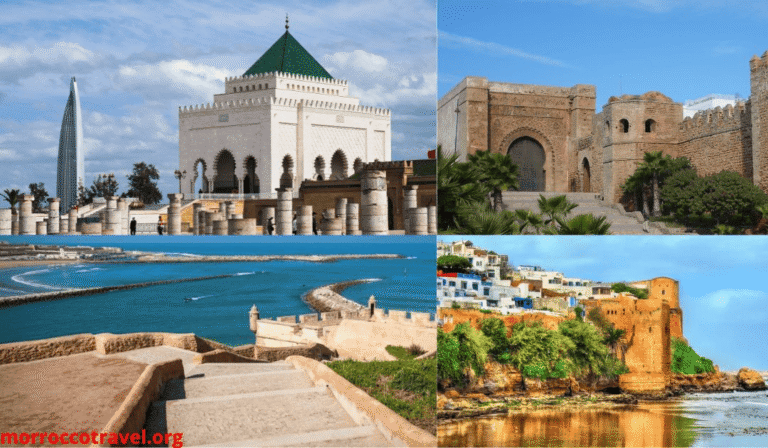
The Kasbah of the Udayas showcases Moroccan architecture. It sits on a cliff overlooking the Atlantic Ocean. Walking through its streets, you’ll see whitewashed houses and vibrant gardens.
The sound of the ocean waves adds to the experience. The Kasbah is more than a historical site; it’s a journey into Rabat’s heart.
Hassan Tower and Mausoleum of Mohammed V
The Hassan Tower is an unfinished minaret. It was meant to be the world’s largest. Next to it is the Mausoleum of Mohammed V, a stunning monument.
The mausoleum is known for its Moroccan craftsmanship. It features detailed tile work and carved stone. Visiting these sites, you’ll see Rabat’s mix of traditional and modern styles.
“The Hassan Tower and the Mausoleum of Mohammed V are testaments to Rabat’s historical and cultural richness, making them essential stops on any visit to Morocco’s capital.”
Chellah Necropolis
The Chellah Necropolis is an ancient Roman site. It’s been taken over by nature. This place is a mix of Roman ruins and greenery.
Exploring the necropolis, you’ll find ancient mosaics and Roman buildings. It’s a peaceful place to discover.
Rabat’s Medina
Rabat’s Medina is a UNESCO World Heritage Site. It’s the old city, filled with narrow streets and historic buildings. Here, you can experience Rabat’s culture, from food to crafts.
Visiting these sites in Rabat is enriching. It gives you a deep look into Morocco’s capital, its history, and culture. Whether you love history, culture, or just exploring, Rabat has something for everyone.
Political and Economic Significance of the Morocco Capital
Rabat, the Moroccan capital, is a city with deep history and importance. It is the heart of Morocco’s politics and economy. Rabat is home to many government offices and diplomatic missions.
Seat of Government and Royal Palace
Rabat is where the Moroccan government works. It has the Parliament and the Royal Palace. The Royal Palace is where the King lives and is a sign of Morocco’s rich past.
Economic Role in Modern Morocco
Rabat is key to Morocco’s economy. It’s a big place for industries like textiles and food. The city’s service sector, like finance and tourism, also boosts the economy.
Diplomatic Quarter and International Relations
Rabat has a big diplomatic area with many embassies. This shows its big role in world affairs. The city’s work with other countries is important for Morocco’s place in the world.
In short, Rabat is very important for Morocco. It drives the country’s politics and economy. Its role as a diplomatic center makes it even more significant globally.
Practical Travel Guide to Rabat
Planning a trip to Rabat, Morocco’s capital, is exciting. You’ll want to know the basics for a smooth trip. Rabat mixes old history with new vibes, making it unique.
Best Time to Visit and Weather Considerations
Rabat has a Mediterranean climate. Winters are mild, and summers are warm. Spring (March to May) and autumn (September to November) are the best times to visit. Temperatures are nice, between 18°C to 25°C (64°F to 77°F).
Avoid summer if you don’t like heat. It gets really hot then.
Getting to and Around the City
Rabat is easy to reach by air, rail, and road. Here’s how to get there and move around:
Airport and Train Connections
The Rabat-Salé Airport is the main airport, 8 kilometers from the city. Taxis or buses can take you to the city center. Rabat connects to other Moroccan cities by train, with the Rabat-Ville railway station being key.
Local Transportation Options
In Rabat, use petit taxis for short trips and grands taxis for longer ones. The city has a good bus network. Renting a car or hiring a driver for the day is also an option.
Accommodation Options for Every Budget
Rabat has many places to stay, from luxury riads to budget hostels. You can stay in the city center for easy access or in the outskirts for peace. Book early, specially during busy times, to get a room.
Safety Tips and Cultural Etiquette
Travel safely by being careful with your stuff, avoiding crowded places, and not carrying too much cash. Rabat is safe, but caution is wise. Dress modestly and respect local customs. Morocco is conservative, and showing respect makes your visit better.
With these tips, you’re ready to explore Rabat. Enjoy its history, culture, and more.
Culinary Experiences in Rabat
In Rabat, you can taste the real Morocco through its food. The city’s dishes mix traditional flavors with its rich culture and location.
Traditional Moroccan Dishes to Try
When you visit Rabat, don’t miss out on the traditional dishes. Try Tagine, a slow-cooked stew, and Couscous, a semolina flour staple. Also, don’t forget Harira, a warm soup, and B’stilla, a pie with flaky pastry, meat, and spices.
Best Restaurants and Cafés
Rabat has many places to eat, from Moroccan to international dishes. La Veranda offers French-Moroccan food, and Café Majestic is great for watching people. For a local vibe, go to Souq el Ghzl for traditional tea and pastries.
Food Markets and Street Food
Exploring Rabat’s markets and street food is a must. The Souq in the Medina has grilled meats and seafood. The Chellah Market is known for fresh produce and snacks.
| Dish | Description | Where to Try |
|---|---|---|
| Tagine | Slow-cooked stew | Souq el Ghzl |
| Couscous | North African staple | La Veranda |
| Harira | Hearty soup | Café Majestic |
Rabat vs. Other Major Moroccan Cities
Casablanca, Marrakech, and Fez are well-known tourist spots. But Rabat offers a more relaxed and historically rich experience. Knowing what each city has to offer can help you plan your trip to Morocco.
Comparing Rabat and Casablanca
Rabat and Casablanca are two key cities in Morocco. They serve different purposes and offer unique experiences. Casablanca is the economic hub with modern architecture and busy ports. Rabat, the capital, focuses on history and culture, with landmarks like the Kasbah of the Udayas and the Hassan Tower.
Key differences between Rabat and Casablanca:
- Rabat is more historically oriented, with a focus on preserving its cultural heritage.
- Casablanca is a modern, fast-paced city with a strong economic presence.
- Rabat offers a more relaxed atmosphere, making it ideal for those seeking a less hectic Moroccan experience.
Differences Between Rabat, Marrakech, and Fez
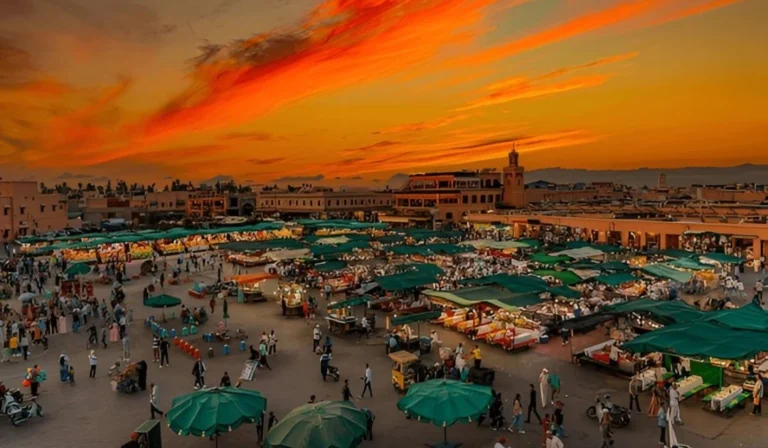
Marrakech is known for its vibrant souks and lively atmosphere. Fez is famous for its well-preserved ancient medina. Rabat, on the other hand, offers a blend of historical significance and modern comforts. Here are some key differences:
| City | Main Attractions | Atmosphere |
|---|---|---|
| Rabat | Kasbah of the Udayas, Hassan Tower | Historic, relaxed |
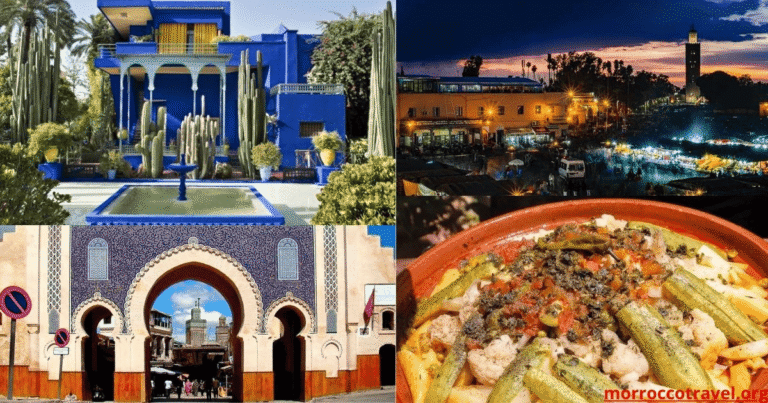
| Marrakech | Jardin Majorelle, Djemaa el-Fna | Vibrant, bustling |
| Fez | Ancient Medina, Al-Attarine Madrasa | Historic, crowded |
Why Choose Rabat for Your Moroccan Experience
Rabat is a unique blend of history, culture, and modernity. It’s an excellent choice for your Moroccan adventure. With its rich heritage, beautiful architecture, and welcoming atmosphere, Rabat will leave a lasting impression on you.
You should consider visiting Rabat if you’re looking for a more laid-back and culturally enriching experience in Morocco.
Conclusion: Embracing the Essence of Morocco’s Capital
As you finish your trip to Rabat, the capital of Morocco, you gain a deeper insight into this amazing city. Morocco’s capital is a place where history, culture, and today’s world come together. This creates a special experience for everyone who visits.
Rabat’s history, culture, and buildings are truly captivating. You can see the city’s past at the Kasbah of the Udayas and the Hassan Tower. These places show the city’s role as the heart of Morocco.
Looking back, you’ll see how Rabat mixes old and new. From its lively arts scene to its diplomatic area, there’s something for everyone. Whether you’re wandering the medina, trying local food, or just enjoying the vibe, Rabat shows the true spirit of Morocco.
FAQ
What is the capital of Morocco?
The capital of Morocco is Rabat.
What is the significance of Rabat in Morocco?
Rabat is Morocco’s capital. It’s a key cultural, historical, and political center. It’s where the government sits and the Royal Palace is located.
What are the must-visit sites in Rabat?
Rabat’s top sites include the Kasbah of the Udayas and Hassan Tower. Also, don’t miss Chellah Necropolis and the Medina. All are UNESCO World Heritage Sites.
What is the best time to visit Rabat?
Spring (March to May) and autumn (September to November) are the best times. The weather is mild and pleasant then.
How do I get around Rabat?
Use taxis, buses, or rental cars to get around. Or, explore on foot to see the city’s historic areas.
What are some traditional Moroccan dishes to try in Rabat?
Try tagine, couscous, harira, and pastilla in Rabat. You can find them at local restaurants and food markets.
Is Rabat a safe city for tourists?
Yes, Rabat is safe for tourists. It has low crime rates. But, always take precautions for your safety.
What is the difference between Rabat and other major Moroccan cities?
Rabat stands out from cities like Casablanca and Marrakech. It offers a unique mix of history, culture, and politics. It’s perfect for those seeking a calm, historically rich experience.
What is the Moroccan capital city?
Rabat is the capital city of Morocco.
What is the name of Morocco’s capital?
Morocco’s capital is named Rabat.
Traveler Reviews & Experiences in Morocco
There are no reviews yet. Be the first one to write one.