Renting a Car in Morocco 2026: Complete Guide for Tourists
Table of Contents
You’re not on a packed tour bus, bound by a rigid schedule. Instead, you’re cruising along the sun-drenched Atlantic Coast, windows down, with the freedom to stop at a hidden surf beach whenever you please. Or perhaps you’re navigating the dramatic Tizi n’Tichka pass in the High Atlas Mountains, where every hairpin turn reveals a view more breathtaking than the last, on your time. This is the unparalleled magic of renting a car in Morocco. For the 2026 traveler, a rental car transforms your visit from a standard itinerary into a deeply personal adventure. It’s the key to unlocking remote Berber villages, serene desert dunes beyond Merzouga, and coastal cliffs that most tourists never see. While the call to adventure is strong, navigating the logistics requires savvy preparation. This complete guide is designed to cut through the confusion, providing you with the essential, up-to-date knowledge for renting a car in Morocco in 2026. We’ll cover everything from choosing the right vehicle and understanding insurance to mastering local driving customs—ensuring your road trip is defined by freedom, flexibility, and the authentic, unfiltered experiences that make Morocco truly unforgettable. Let’s shift your journey into high gear.
Why Rent a Car in Morocco? Freedom to Explore in 2026
Public transport connects major cities, but Morocco’s true soul lies in the spaces between them. Renting a car in Morocco grants you the autonomy that trains and buses simply cannot.
- Ultimate Flexibility: Ditch fixed timetables. Discover a charming roadside kasbah, extend your stay in a mountain village, or chase a sunset over the Sahara on your own schedule.
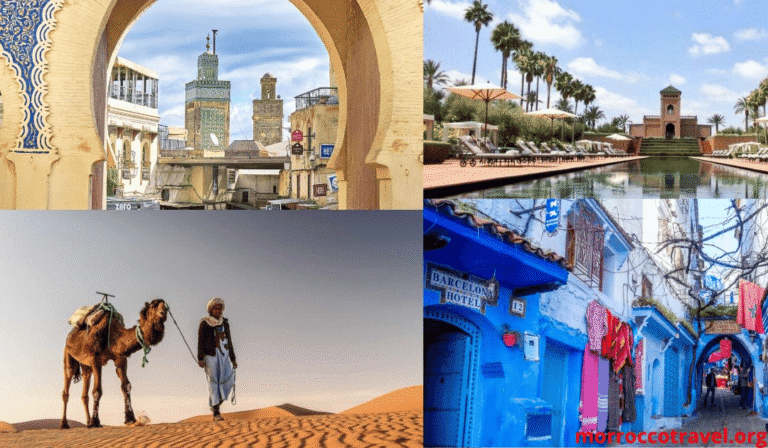
- Access the Unreachable: Reach the stunning blue alleyways of Chefchaouen directly, explore the scattered oases of the Draa Valley, or find secluded stretches of beach along the Mediterranean coast.
- Cost-Effective for Groups: For families or small groups, renting a car in Morocco can be more economical than purchasing multiple train or long-distance taxi tickets, especially for regional exploration.
- The Journey is the Destination: Some of Morocco’s most spectacular landscapes, like the Route of the Thousand Kasbahs or the stunning Rif Mountains, are best experienced through the windshield of your own vehicle.
Before You Book: Essential Pre-Trip Planning
A little preparation before your 2026 trip ensures a smooth rental experience.
Driver Requirements
You must be at least 21 years old (25 is common for some premium vehicle categories) and have held your national driver’s license for a minimum of one year. An International Driving Permit (IDP) is legally required alongside your original license. While not all police checks will ask for it, failure to present one can result in fines. It’s a simple, inexpensive document to obtain from your local automobile association before you travel.
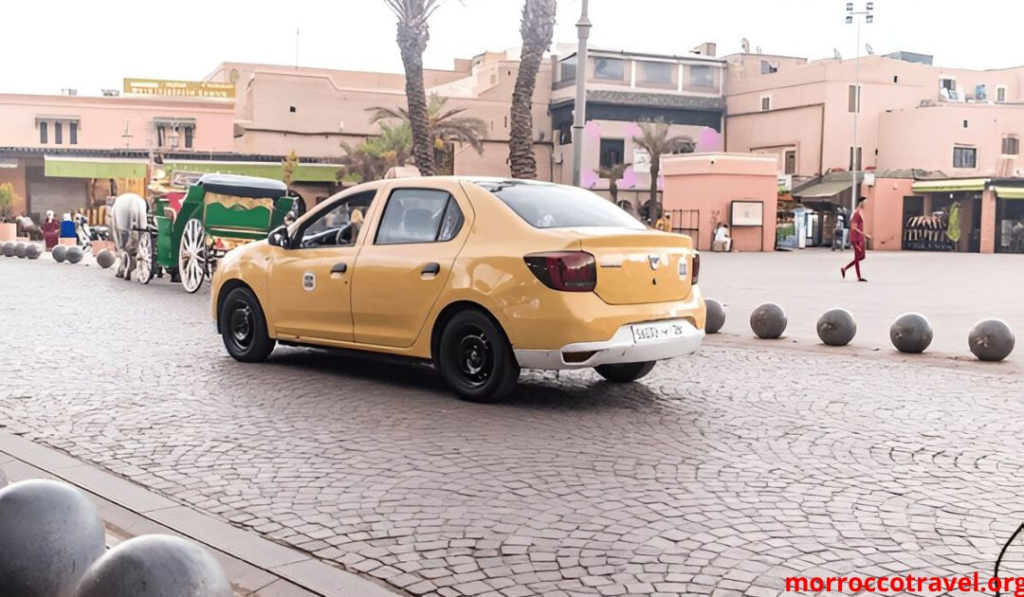
Choosing the Right Vehicle for Your Adventure
Your itinerary should dictate your wheels:
- City & Main Roads: A compact or economy car (e.g., Fiat Panda, Renault Clio) is perfect for city hopping and is fuel-efficient.
- Atlas Mountains & Southern Routes: A SUV or 4×4 (e.g., Dacia Duster, Toyota RAV4) is highly recommended for ground clearance and comfort on winding, sometimes uneven mountain and desert-front roads.
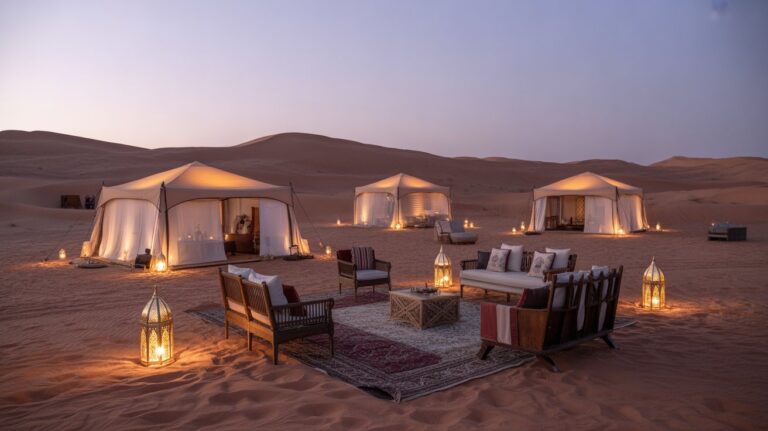
- Desert Excursions: Note: Standard rental cars are NOT allowed for off-roading on sand dunes. For proper desert adventures, book a tour with specialized vehicles from operators in Merzouga or Zagora.
Where and When to Book
Book in Advance Online for the best rates, selection, and to secure essential inclusions like unlimited mileage. Major international companies (Hertz, Europcar, Avis) offer reliability and English-language contracts. Reputable local brokers like Rental Cars Morocco can also offer competitive packages. For 2026 travel, consider booking 3-6 months ahead for peak seasons (spring & autumn).
Navigating the Rental Process & Insurance
Understanding the contract is the most critical step in renting a car in Morocco.
Mandatory Insurance & The “Super-Cover” Choice
By law, all rentals include basic third-party liability insurance. However, this comes with a very high excess/deductible (often 15,000-30,000 MAD). The rental agent will strongly offer you a Full Coverage/Super-Cover waiver to reduce this excess to zero.
- The Verdict: For peace of mind, taking the Super-Cover is highly advised. It protects you from hefty out-of-pocket costs for even minor scratches, windshield chips, or tire damage, which are common on Moroccan roads. Confirm what it explicitly covers.
- Credit Card Coverage: Check if your premium credit card offers rental insurance. Ensure it is valid in Morocco and understand the documentation required. You may still need to pay the rental company’s excess upfront and claim it back later.
Essential Documentation & Pick-Up Inspection
At the counter, present your passport, original driver’s license, IDP, and the credit card used for booking (a hold will be placed). Before driving away:
- Thorough Inspection: Photograph and video every inch of the car—all body panels, windshield, tires, hubcaps, and the interior. Ensure every scratch is documented on the rental sheet, and have the agent sign it.
- Fuel Policy: Almost always “full-to-full.” Note the fuel level and return it as such to avoid high refueling charges.
- Emergency Contacts: Get the local office number and the procedure for breakdowns or accidents.
Driving in Morocco: Rules, Tips, & Navigation
On the Road: Rules & Realities
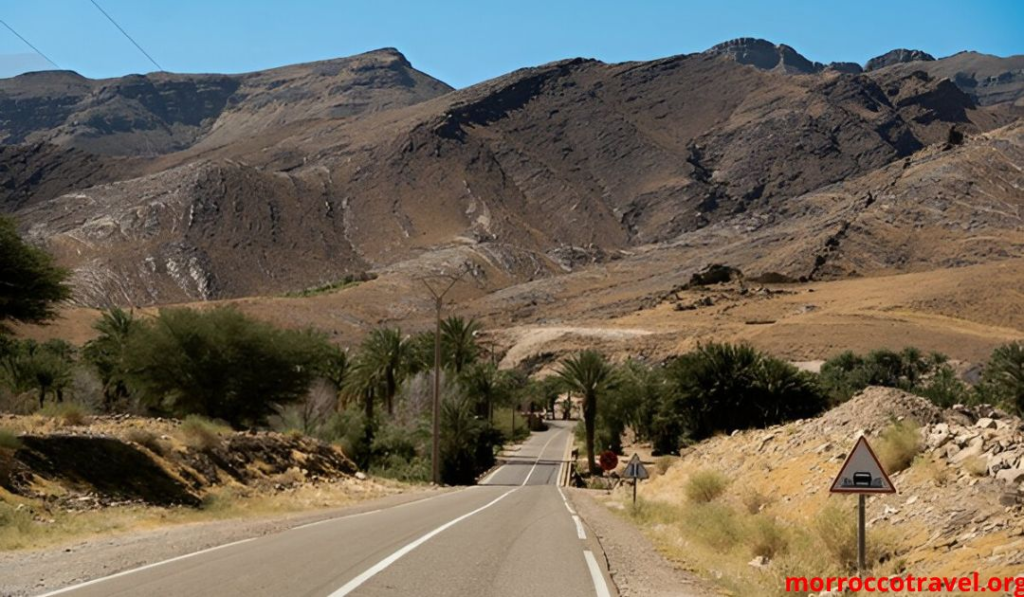
- Road Conditions: Major highways (e.g., Casablanca-Marrakech) are excellent. Secondary mountain and rural roads can be narrow, winding, and shared with livestock, scooters, and pedestrians. Drive defensively.
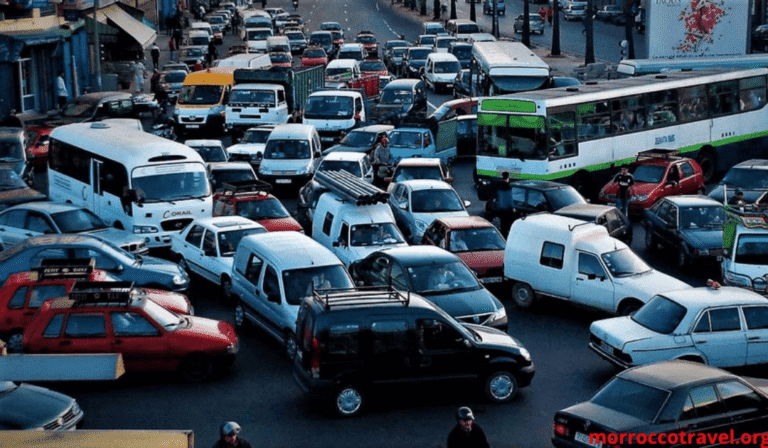
- Local Driving Style: Be prepared for assertive maneuvers, limited use of indicators, and overtaking on bends. Patience and a confident, predictable driving style are your best assets.
- Speed Limits & Police Checks: Respect signed limits. Police checkpoints are frequent. Always slow down, be polite, and have your documents (license, IDP, rental contract, passport copy) readily accessible.
- Parking: In cities, use guarded parking lots (parking gardé). They are inexpensive (10-20 MAD) and much safer than street parking. In medinas, park outside the walls and walk in.
Navigation & Communication
Google Maps or Maps.me work very well for navigation in Morocco in 2026. Download offline maps for areas with poor coverage (mountains, deserts). Having a basic French or Arabic phrasebook for directions (e.g., “Où est…?”, “À gauche/droite”) is helpful in rural areas. A local SIM card from Maroc Telecom or Orange is inexpensive and ensures data connectivity.
Costs, Fuel, and Budgeting for 2026
Understanding the Total Cost
Your budget for renting a car in Morocco should include:
- Base Rental Rate
- Mandatory Super-Cover Insurance (approx. 150-300 MAD/day)
- Fuel (Prices are government-subsidized but expect Western European-level costs)
- Tolls on major autoroutes (pay in cash MAD)
- Parking Fees
Fuel Tips
- Types: “Essence” (gasoline) and “Gazole” (diesel). Diesel is cheaper and offers better fuel economy for long drives.
- Stations: They are plentiful on main routes but can be sparse in the Sahara south of Erfoud. Refuel when you see the opportunity in remote regions.
- Payment: Cash is king at most stations, though some accept cards.
Regional Driving Itineraries & Tips
The Classic Circuit: Marrakech > Atlas > Desert > Fes
This route demands an SUV. The High Atlas passes are steep and winding. The desert pistes (gravel roads) around Tinghir and the Ziz Valley are manageable in a 4×2 SUV with care. Take it slow.
The Coastal Route: Casablanca > Essaouira > Agadir
An easy drive on good roads, suitable for a compact car. Enjoy stunning ocean views.
The North: Fes > Chefchaouen > Tangier
Mountainous but well-paved. The Rif Mountains offer stunning scenery. A compact car is sufficient.
Common Pitfalls to Avoid
- Declining Full Insurance: The risk of a costly claim is high.
- Skipping the Vehicle Inspection: This is your primary defense against false damage claims.
- Driving at Night: Avoid it. Road hazards (unlit vehicles, animals, potholes) increase dramatically.
- Off-Roading in a Standard Car: Strictly forbidden and will void your insurance. Stick to paved or well-compacted gravel roads.
- Leaving Valuables in the Car: Even in a parking gardé, take all bags and electronics with you.
Conclusion: Your Open Road Awaits
Renting a car in Morocco is more than a transportation choice; it’s an investment in the quality of your adventure. It promises the serendipity of undiscovered places, the intimacy of traveling at your own rhythm, and the profound satisfaction of a journey crafted entirely by you. While the initial process requires attention to detail, the reward is a level of freedom that will define your 2026 Moroccan experience. So, secure that International Driving Permit, book your trusted vehicle, and prepare to write your own story across the incredible and diverse landscapes of Morocco. The open road is calling.
FAQ: Renting a Car in Morocco
Q1: Is it safe for tourists to drive in Morocco?
A: Yes, with caution. Major roads are good. The primary risks come from local driving habits and rural road conditions. Driving defensively, avoiding night travel, and being prepared for unpredictable behavior ensures a safe trip.
Q2: What is the average cost of renting a car in Morocco for 2026?
A: For 2026, expect a range from 250-500 MAD per day for a compact car, and 500-900 MAD per day for a 4×4 SUV, including the essential Super-Cover insurance. Prices spike during peak seasons (spring & autumn).
Q3: Can I rent a car in Morocco and drop it off in a different city?
A: Yes, one-way rentals are possible between major city stations (e.g., Marrakech to Fes), but they often incur a significant drop-off fee, which can be €100-250. Always confirm this fee when booking.
Q4: What should I do if I’m stopped by police or have an accident?
A: If stopped, be polite and provide documents. For minor accidents with another vehicle, do not move the cars until police arrive to make a report (constat). Immediately contact your rental company’s emergency line for guidance.
Q5: Are there any roads I should avoid when renting a car in Morocco?
A: Avoid unpaved desert pistes unless in a properly equipped 4×4 with a guide. Exercise extreme caution on the steep, winding passes of the High Atlas (like Tizi n’Test) during winter, where snow or ice may be present.
Q6: Do I need a 4×4 for driving to the Sahara Desert?
A: To reach desert towns like Merzouga or M’Hamid on paved roads, a standard 2WD car is sufficient. However, to drive on the sand dunes themselves, you must use a specialized desert tour vehicle. Your rental car insurance is void the moment you drive onto soft sand.
Traveler Reviews & Experiences in Morocco
There are no reviews yet. Be the first one to write one.