Moroccan Souks 2026: Complete Guide to Morocco’s Traditional Markets
Table of Contents
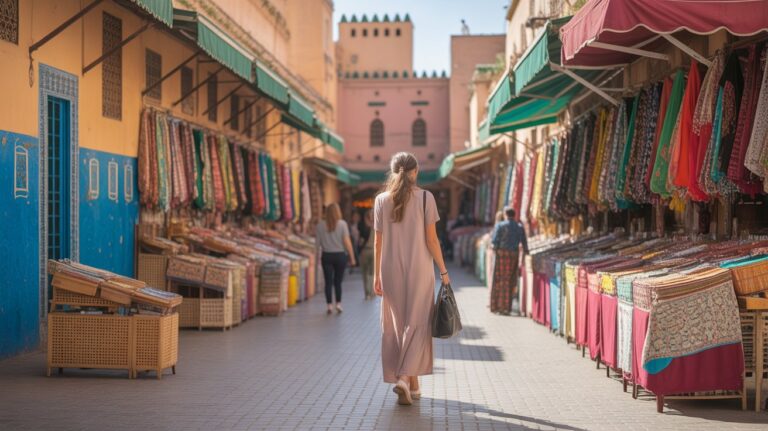
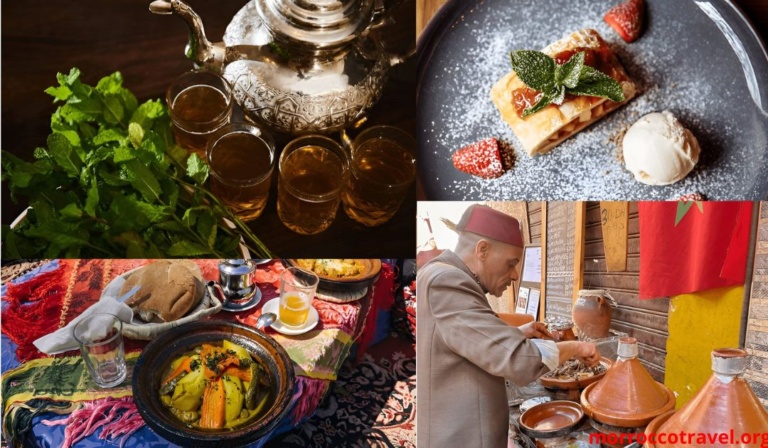
Imagine stepping into a labyrinth of vibrant colors, intoxicating scents, and the rhythmic hum of haggling voices echoing through narrow alleyways. The air is thick with the aroma of saffron and mint tea, while sunlight filters through intricate lanterns, casting golden patterns on piles of handwoven carpets. This is the magic of Moroccan souks—ancient marketplaces that pulse with the heartbeat of Morocco’s rich heritage. As a traveler in 2026, visiting these traditional markets isn’t just about shopping; it’s about immersing yourself in a cultural tapestry woven over centuries. Whether you’re a first-time adventurer wandering the bustling souks of Marrakech or a local from Meknes rediscovering hidden gems in your own backyard, this complete guide to Morocco’s traditional markets will equip you with everything you need to navigate, negotiate, and cherish these iconic experiences. Get ready to lose yourself—and find treasures—in the enchanting world of Moroccan souks.
The History and Cultural Importance of Moroccan Souks
Moroccan souks have been the cradle of urban culture in Arab-Islamic societies for over a thousand years. The word “souk” comes from Arabic, meaning marketplace, and these vibrant hubs date back to medieval times when Morocco served as a crossroads for trade between Africa, Europe, and the Middle East. Founded in cities like Marrakech in the 11th century, souks evolved into essential centers for commerce, social interaction, and craftsmanship. They weren’t just places to buy goods; they were social epicenters where communities gathered, stories were shared, and traditions were passed down through generations.
Culturally, Moroccan souks represent the dynamic heart of the nation’s heritage. In a country where Islamic influences blend with Berber, Andalusian, and African elements, these markets preserve artisanal skills like leather tanning, metalworking, and weaving that have been honed for centuries. Today, in 2026, souks continue to thrive as living museums, offering a glimpse into Morocco’s identity amid modernization. They foster economic empowerment for local families, with many stalls run as micro-businesses passed down through lineages. Visiting a souk isn’t merely transactional—it’s a way to connect with Morocco’s soul, supporting sustainable tourism and cultural preservation. As global interest in authentic experiences grows, these markets remain timeless, drawing travelers who seek more than souvenirs; they crave stories etched in every spice cone and rug thread.
The structure of souks is fascinating, often organized by craft: spice sellers cluster together, while leatherworkers dominate another quarter. This medieval layout promotes competition and expertise, ensuring quality. In an era of online shopping, Moroccan souks remind us of the joy in human connection—bargaining over tea, learning about an artisan’s craft, or simply observing daily life. Their UNESCO-recognized medinas, like those in Fes, underscore their global significance as intangible cultural heritage. For travelers in 2026, understanding this history enhances every visit, turning a simple stroll into a profound cultural journey.
Best Moroccan Souks to Visit in 2026
Planning your 2026 trip to Morocco? The best souks offer a mix of authenticity, variety, and accessibility. From the chaotic charm of Marrakech to the serene stalls of Essaouira, here’s a curated list of must-visit markets. We’ve included Meknes as a hidden gem, especially if you’re based nearby—its souks provide a less touristy vibe while still delivering rich experiences.
Souks in Marrakech: The Heart of Moroccan Markets
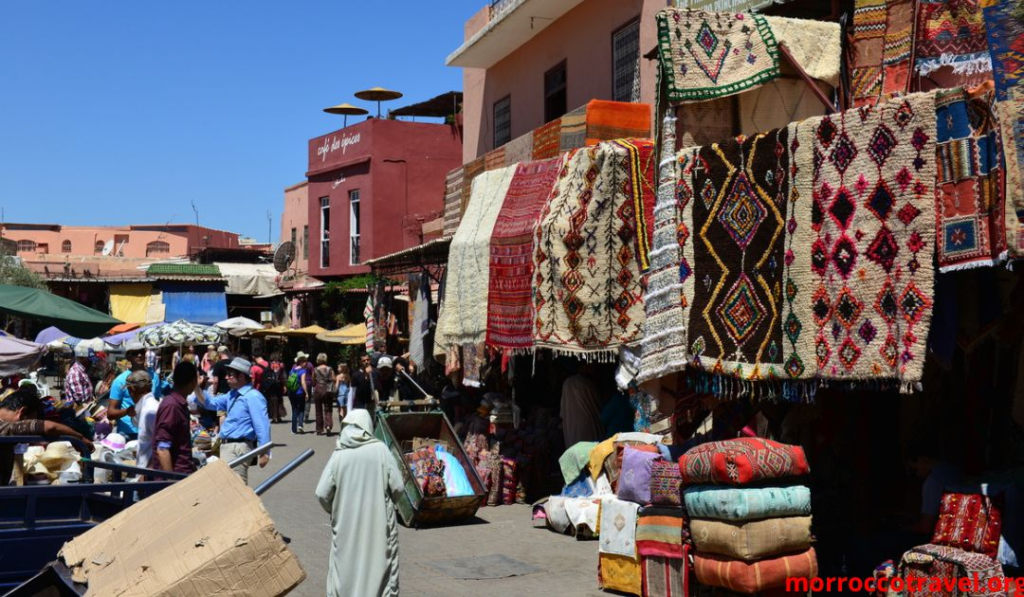
Marrakech’s Jemaa el-Fnaa and surrounding souks are legendary, often topping lists for the best souks in Morocco. In 2026, expect enhanced visitor facilities like better signage and eco-friendly initiatives to reduce plastic use. The medina’s maze spans over 19 specialized souks, from Souk Semmarine for textiles to Souk Haddadine for metalwork. Daytime buzzes with vendors hawking everything from argan oil to jewelry, while evenings transform into a street food paradise. Pro tip: Visit early to avoid crowds and heat—temperatures can hit 35°C in summer. Marrakech souks are ideal for first-timers, offering guided tours that delve into history.
Souks in Fes: A UNESCO World Heritage Maze
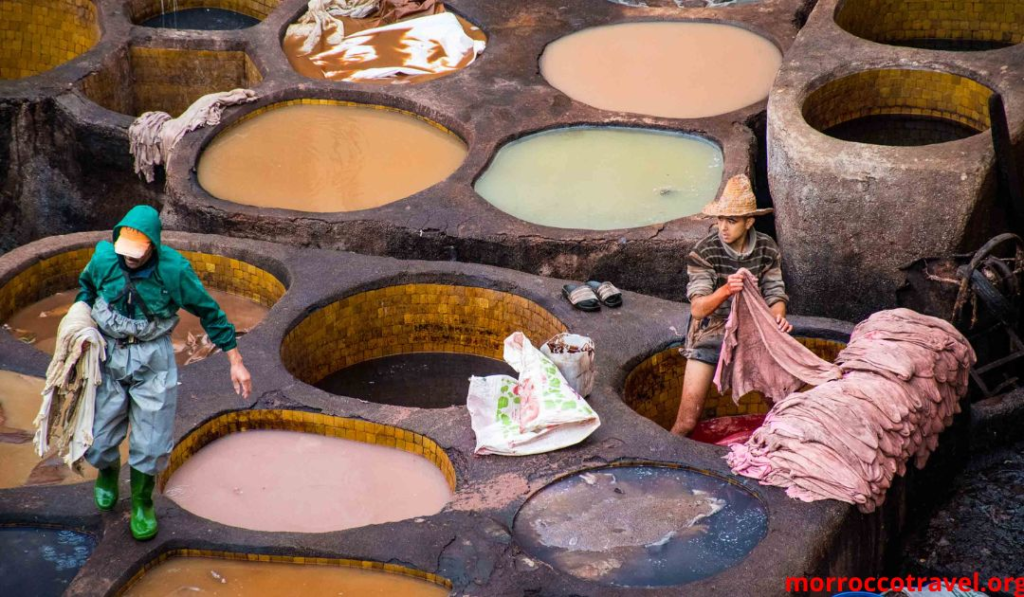
Fes el-Bali, the world’s largest car-free urban area, houses souks dating back to the 9th century. In 2026, restoration projects will make navigation easier with app-based maps. Key spots include the Chouara Tannery for leather and Souk el-Attarine for spices. The atmosphere is more intense than Marrakech—narrow alleys teem with donkeys and artisans. Cultural tours highlight Berber influences, and nearby fondouks (caravanserais) offer artisan workshops. Fes souks are perfect for history buffs seeking authenticity.
Souks in Chefchaouen: The Blue Pearl’s Charming Markets
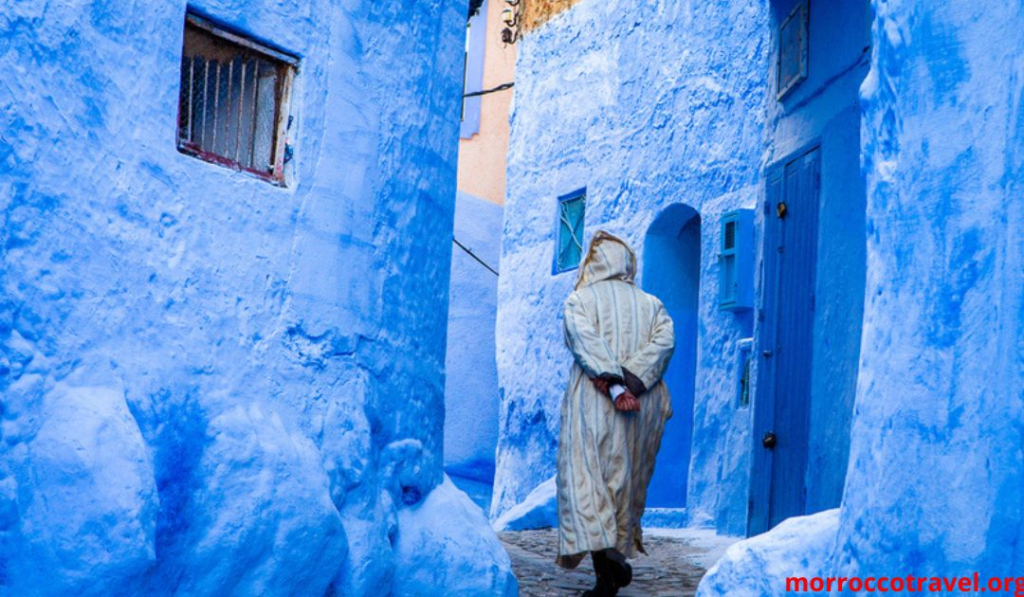
Nestled in the Rif Mountains, Chefchaouen’s souks glow in shades of blue, making them Instagram-famous. By 2026, sustainable tourism efforts will limit overcrowding. The medina’s markets focus on wool, woven goods, and local cheeses. Less hectic than urban souks, they’re ideal for relaxed browsing. Hike nearby for panoramic views, blending shopping with nature.
Souks in Casablanca: Modern Meets Traditional
Casablanca’s Habous Quarter souks blend French colonial architecture with Moroccan flair. In 2026, expect tech integrations like QR codes for artisan stories. Markets here are cleaner and more organized, selling olives, pastries, and crafts. It’s a great entry point for urban explorers near the Hassan II Mosque.
Souks in Essaouira: Coastal Vibes and Fresh Finds
Essaouira’s souks, including the fish market, offer a breezy alternative to inland heat. With 2026 wind energy projects, the town emphasizes eco-artisans. Woodwork, thuya carvings, and seafood dominate. The relaxed pace suits beach lovers—combine shopping with kitesurfing.
Souks in Meknes: A Local Favorite for Authentic Experiences
As a resident of Meknes, you’ll appreciate the underrated souks here. Less touristy than Fes, the medina’s markets feature olive wood, damascene metal, and fresh produce. In 2026, heritage walks will highlight imperial history. It’s authentic, affordable, and easy to navigate—perfect for day trips.
These souks showcase Morocco’s diversity, from mountain serenity to coastal freshness. Plan multi-city itineraries for the full spectrum.
What to Buy in Moroccan Souks
Wondering what to buy in Moroccan souks? These markets overflow with authentic treasures, from everyday essentials to heirloom pieces. Focus on quality craftsmanship to support local artisans.
Spices: The Essence of Moroccan Flavor
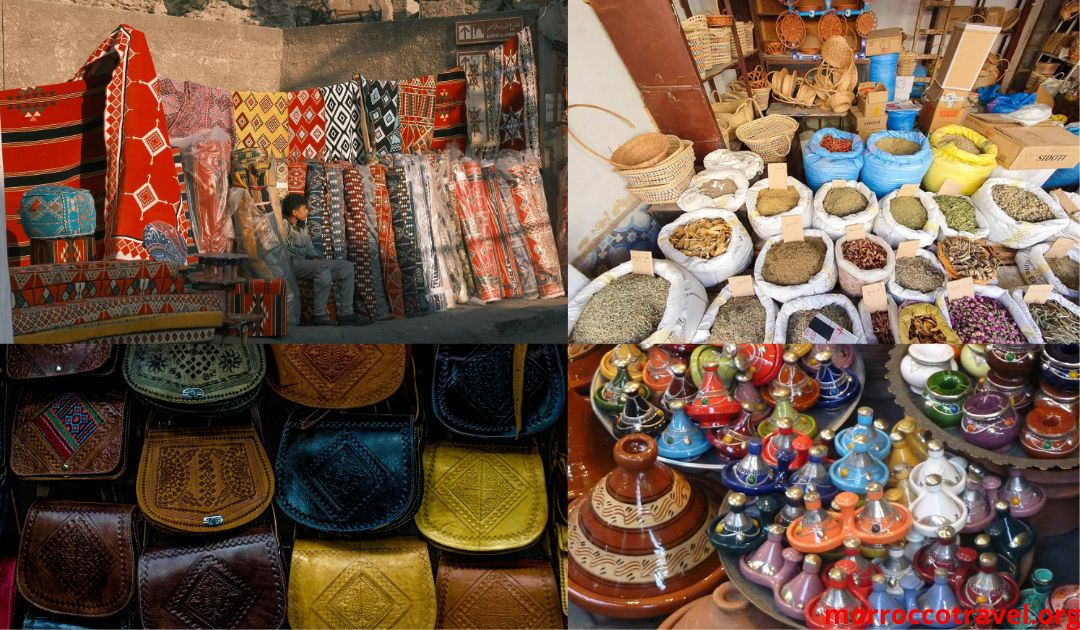
Moroccan spices like ras el hanout, saffron, and cumin are souk staples. Piled in colorful cones, they’re fresh and potent—buy pre-mixed blends for tagines. Look for organic options in 2026, with sustainability labels. Prices start at 20 MAD per 100g; taste before buying.
Carpets and Rugs: Woven Masterpieces
Handwoven Berber carpets symbolize Moroccan artistry. From kilims to knotted rugs, choose based on patterns—tribal motifs tell stories. Expect to pay 500-5000 MAD; cooperatives ensure fair trade. In 2026, eco-dyes are trending.
Leather Goods: Timeless Accessories
Famous for tanneries, Moroccan leather includes babouches, bags, and poufs. Soft, dyed naturally—opt for vegetable-tanned for ethics. Prices: 100-300 MAD for slippers. Check for quality stitching.
Lanterns: Illuminating Souvenirs
Ornate metal lanterns cast magical light. From filigree to stained glass, they’re souk icons. Small ones cost 50-200 MAD; larger for homes. In 2026, LED versions blend tradition with modernity.
Pottery and Ceramics: Functional Art
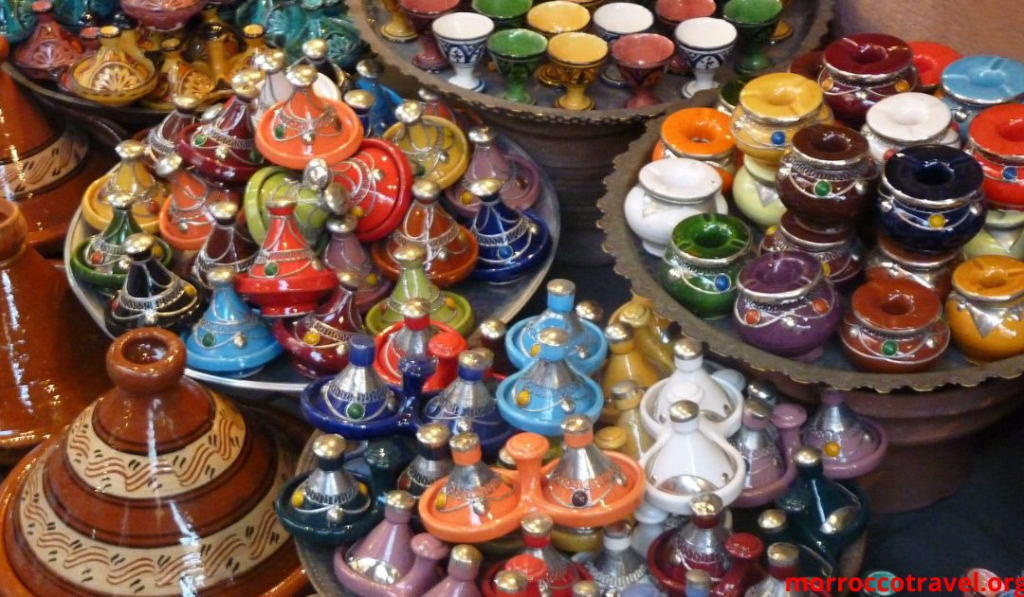
Tagines, plates, and tiles in blues and greens. Safi and Fes excel here—lead-free for safety. Sets start at 100 MAD. Look for hand-painted zellige.
Bargaining Tips for Tourists in Moroccan Souks
Bargaining in Moroccan souks is an art form, expected and enjoyable. Start with a smile and greeting like “Salam alaikum.” Merchants quote high—counter at 30-50%. Be polite, walk away if needed—it often brings better offers. Know exchange rates; pay in cash for deals. Practice in smaller stalls. In 2026, apps may help estimate values, but the fun is in the interaction.
Shopping Etiquette and Safety Tips
Respect is key in Moroccan souks—dress modestly, ask before photos. Carry small bills, secure valuables. Souks are safe, but watch for pickpockets. Decline unsolicited guides politely. Drink tea offered—it’s hospitality. In 2026, increased patrols enhance security.
Practical Travel Advice for First-Time Visitors to Moroccan Souks
For first-timers in 2026, visit spring or autumn for mild weather. Use apps like Google Maps offline. Carry dirhams—ATMs are plentiful. Stay hydrated, wear comfy shoes. Join guided tours for insights. Respect customs, learn basic Arabic. Budget 7-10 days for immersion.
As you wander Moroccan souks in 2026, let the chaos enchant you. These markets aren’t just shopping spots—they’re portals to Morocco’s vibrant spirit. Pack your sense of adventure, embrace the haggle, and bring home memories that last a lifetime. Safe travels!
FAQ: Frequently Asked Questions About Visiting Moroccan Souks
What is the best time to visit Moroccan souks in 2026?
Spring (March-May) and autumn (September-November) offer pleasant weather and fewer crowds.
Are Moroccan souks safe for tourists?
Yes, generally safe, but stay vigilant against pickpocketing.
How do I bargain effectively in souks?
Start low, be polite, and be willing to walk away.
Do I need a guide for the souks?
Not essential, but recommended for first-timers to avoid getting lost.
What should I wear when visiting souks?
Modest clothing covering shoulders and knees shows respect.
Can I use credit cards in Moroccan souks?
Most prefer cash; ATMs are nearby for dirhams.
Traveler Reviews & Experiences in Morocco
There are no reviews yet. Be the first one to write one.