The History of Morocco in 2026: Unveiling Ancient Empires, Dynasties, and Cultural Legacy
Table of Contents
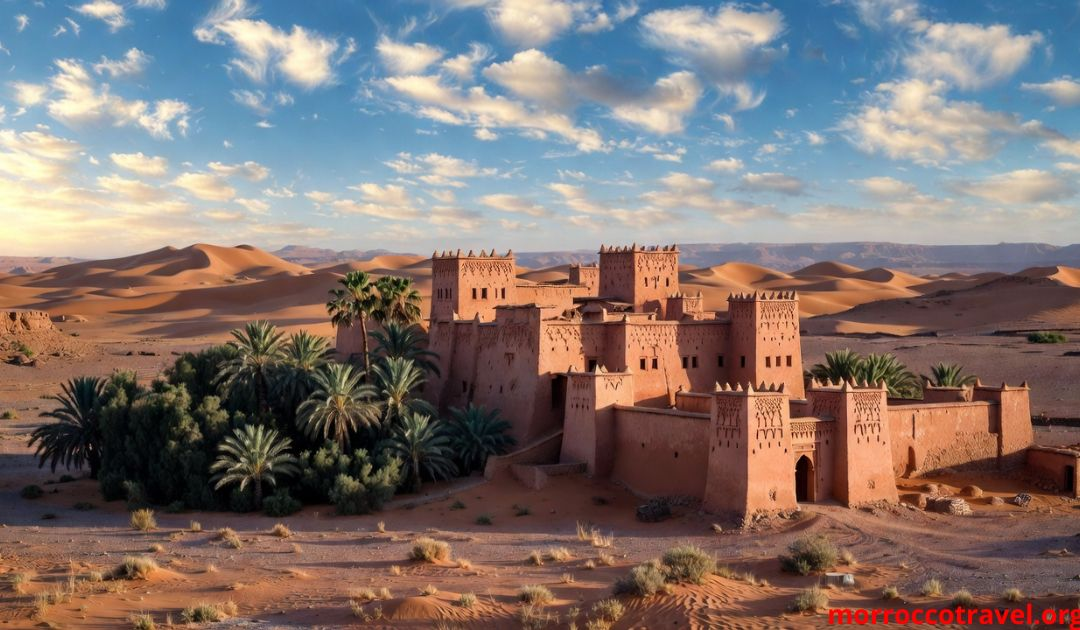
Morocco, a land where the Sahara’s golden dunes meet the rugged Atlas Mountains and the Atlantic’s crashing waves, has long captivated travelers with its blend of mystery, vibrancy, and timeless allure. As we step into 2026, reflecting on the history of Morocco reveals a narrative woven from resilient indigenous roots, sweeping conquests, and enduring cultural fusions. This North African gem, often called the “Gateway to Africa,” boasts a past that spans prehistoric settlements to modern monarchy, influencing everything from its labyrinthine medinas to its aromatic tagines. For history enthusiasts and those drawn to Moroccan culture, understanding this journey offers profound insights into why Morocco remains a must-visit destination. From ancient Berber tribes to Islamic golden ages and colonial struggles, the history of Morocco is a testament to adaptation and identity, shaping a nation that harmoniously blends tradition with contemporary life.
In this comprehensive exploration, we’ll traverse the epochs of Moroccan history, highlighting how past events echo in today’s landscapes, architecture, and traditions. Whether you’re planning a trek through historic Fez or savoring mint tea in Marrakesh, grasping the history of Morocco enriches every experience, revealing layers of resilience and innovation that define this enchanting country.
Ancient Foundations: Berber Roots and Early Civilizations
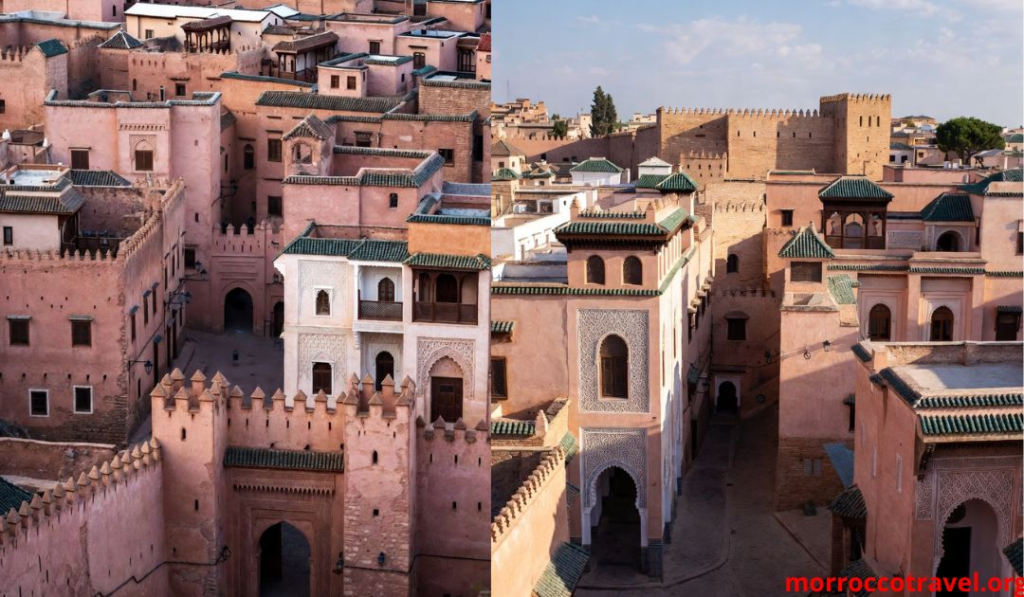
The history of Morocco begins long before written records, rooted in the indigenous Berber (Amazigh) peoples who have inhabited North Africa for millennia. These resilient communities, known for their nomadic lifestyles and deep connection to the land, form the bedrock of Moroccan identity. As we examine this era in 2026, it’s fascinating to see how these ancient origins continue to influence modern Moroccan culture, from tribal festivals to artisanal crafts.
Prehistoric and Mesolithic Morocco
Archaeological discoveries paint a vivid picture of prehistoric Morocco, dating back to the Lower Paleolithic period around 400,000 years ago. Sites like Jebel Irhoud near Marrakesh have yielded some of the oldest Homo sapiens fossils, suggesting that early humans thrived in this fertile region. During the Mesolithic era (approximately 20,000 to 5,000 years ago), the landscape resembled a lush savanna, supporting hunter-gatherer societies of the Capsian culture. These groups crafted tools from stone and bone, leaving behind rock art in caves across the Atlas Mountains that depict daily life, animals, and spiritual rituals.
By the Neolithic period, around 5,000 BCE, Morocco saw the advent of agriculture and animal domestication. Communities began cultivating barley, wheat, and legumes while herding cattle and sheep. The introduction of Cardium pottery, decorated with shell impressions, marked a cultural shift toward settled villages. However, climatic changes led to desertification, pushing populations toward coastal and mountainous areas. These early inhabitants, the proto-Berbers, developed customary laws and social structures that persist in rural Moroccan communities today, offering travelers a glimpse into ancient ways through visits to Berber villages in the High Atlas.
Phoenician and Carthaginian Influences
Around the 8th to 6th centuries BCE, Phoenician traders from modern-day Lebanon arrived on Morocco’s Mediterranean and Atlantic coasts, establishing outposts for commerce in salt, tin, and purple dye. Settlements like Lixus (near Larache) and Mogador (Essaouira) became bustling hubs, introducing advanced navigation, alphabet systems, and urban planning to the region. The Phoenicians forged alliances with local Berber tribes, exchanging goods and ideas that enriched indigenous craftsmanship.
By the 5th century BCE, Carthage—a Phoenician colony in Tunisia—extended its influence over these coastal areas. Carthaginian hegemony facilitated trade networks across the Mediterranean, with Berber kingdoms in the interior paying tribute in exchange for protection and resources. This era introduced new agricultural techniques, such as olive cultivation, which remain staples in Moroccan cuisine. For culture enthusiasts, exploring the ruins of Lixus today evokes this maritime legacy, where ancient ports whisper tales of cross-cultural exchanges that shaped North Africa history.
Roman Era and Mauretania Tingitana
In the 3rd century BCE, following the Punic Wars, Rome began exerting control over North Africa. By 40 CE, the region became the Roman province of Mauretania Tingitana, with its capital at Volubilis (near Meknes). Roman rule focused on the fertile northern plains, building roads, aqueducts, and colonies to extract grain, olives, and wild animals for gladiatorial games. Emperors like Augustus founded cities such as Iulia Constantia Zilil, integrating Berber elites through alliances with tribes like the Baquates.
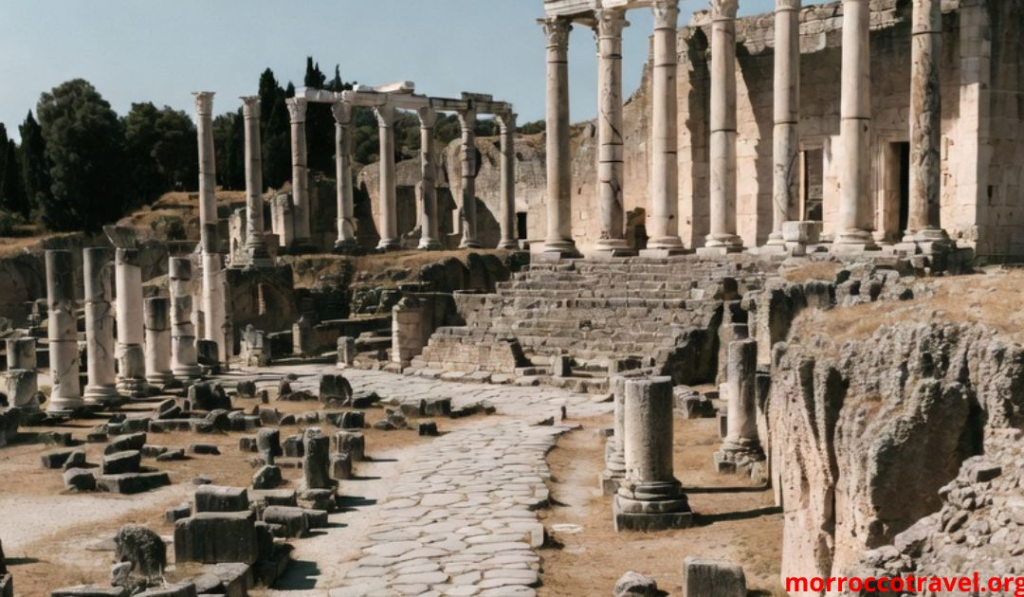
Christianity arrived in the 2nd century CE, spreading among urban populations and Berber communities, leaving remnants in basilicas and mosaics. However, the empire’s decline in the 5th century saw invasions by the Vandals, followed by a brief Byzantine reconquest in the 6th century. These foreign dominions blended with Berber customs, influencing architecture and governance. Travelers in 2026 can wander Volubilis’s UNESCO-listed ruins, marveling at triumphal arches and intricate mosaics that highlight Roman-Berber fusion, a perfect spot for history buffs seeking tangible connections to antiquity.
The Islamic Era: Conquest and the Rise of Dynasties
The arrival of Islam in the 7th century marked a pivotal shift in the history of Morocco, transforming it into a center of learning, trade, and empire-building. This period saw the emergence of powerful Moroccan dynasties, each leaving indelible marks on architecture, religion, and society. For those interested in Moroccan culture, this era explains the grandeur of mosques and medinas that draw millions of visitors annually.
The Arab Conquest and Early Islamic Rule
In the late 7th century, Arab armies under the Umayyad Caliphate swept across North Africa, reaching Morocco by 682 CE. Led by generals like Uqba ibn Nafi, they established Islam as the dominant faith, organizing the region as the province of Ifriqiya. Initial resistance from Berber tribes culminated in the Berber Revolt of 740 CE, fragmenting Umayyad control and leading to independent Berber states like the Barghawata Confederation and the Emirate of Sijilmasa—a key trans-Saharan trade hub.
These early Islamic influences introduced Arabic language, law, and architecture, blending with Berber traditions to create a unique cultural mosaic. Cities like Tangier became gateways for scholarly exchanges, setting the stage for Morocco’s role in the Islamic Golden Age.
The Idrisid Dynasty: Foundations of a Moroccan State
Founded in 789 CE by Idris I, a descendant of the Prophet Muhammad, the Idrisid dynasty established the first independent Moroccan state. Fleeing Abbasid persecution, Idris settled in Volubilis before moving to Fez, which his son Idris II developed into a thriving capital by 809 CE. The dynasty attracted Arab immigrants, fostering urban growth and founding institutions like the University of al-Qarawiyyin—the world’s oldest continuously operating university.
Ruling until 974 CE, the Idrisids promoted Sunni Islam while tolerating diverse sects, enhancing trade with Europe and sub-Saharan Africa. Their legacy endures in Fez’s medina, a UNESCO World Heritage site where travelers can explore narrow alleys echoing with centuries-old craftsmanship.
The Almoravid and Almohad Empires
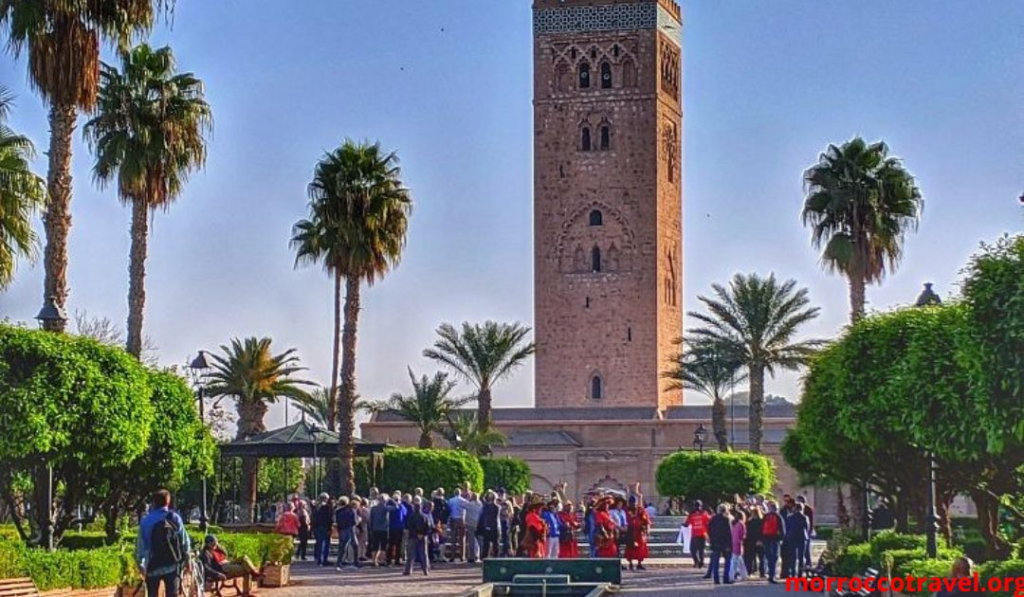
The 11th century brought the Almoravids (1060–1147 CE), a Berber Sanhaja tribe led by Yusuf ibn Tashfin. Originating from the Sahara, they unified Morocco, founding Marrakesh in 1062 and extending control to Spain (al-Andalus). Their puritanical reforms emphasized Maliki jurisprudence, leaving architectural gems like the Koutoubia Mosque.
Succeeding them, the Almohads (1147–1269 CE), founded by Ibn Tumart among the Masmuda Berbers, promoted a strict monotheism. Under Abd al-Mu’min, they conquered vast territories, building iconic structures like the Giralda in Seville and the Kasbah of the Udayas in Rabat. Victories like the Battle of Alarcos in 1195 solidified their power, but internal strife led to decline. These empires expanded Moroccan influence, infusing art and science with Andalusian flair that history enthusiasts can trace in Marrakesh’s bustling souks.
The Marinid, Wattasid, and Saadian Dynasties
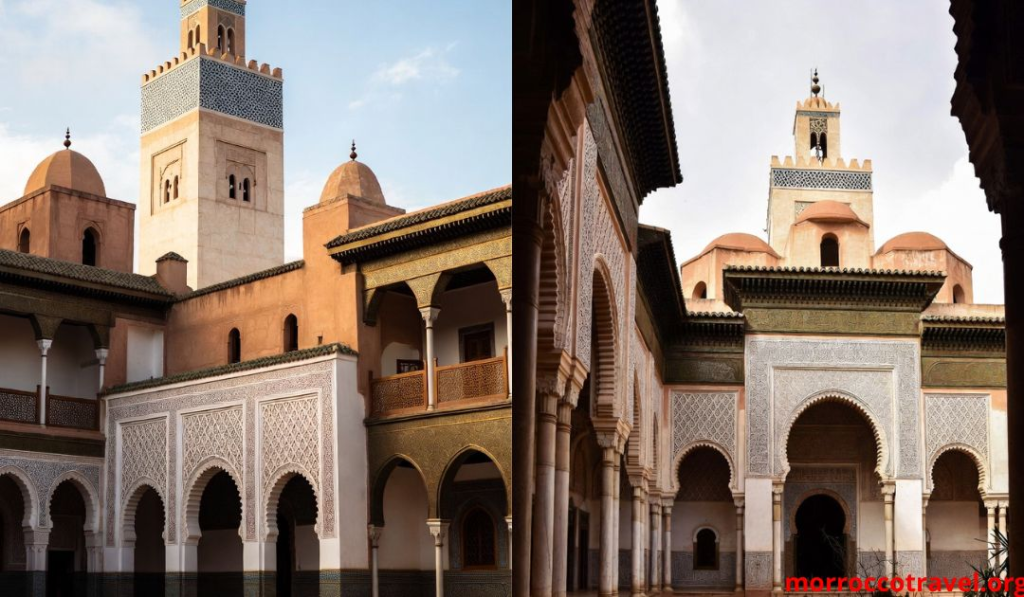
The Marinids (1269–1465 CE), Zenata Berbers, rose from the ashes of the Almohads, making Fez their capital and patronizing education with madrasas like Bou Inania. Their rule saw cultural flourishing but ended amid tribal chaos, succeeded by the Wattasids (1472–1554 CE), who struggled against Portuguese incursions.
The Saadians (1549–1659 CE), claiming Sharifian descent, revitalized Morocco by defeating invaders at the Battle of the Three Kings in 1578. Ahmad al-Mansur’s reign brought prosperity through sugar trade and conquests, adorning Marrakesh with palaces like El Badi. Their tombs in Marrakesh offer travelers a serene glimpse into this opulent era.
The Alaouite Dynasty: Continuity to the Present
Since 1666 CE, the Alaouites have ruled Morocco, with Moulay Ismail (1672–1727) centralizing power from Meknes, building a vast palace complex. His slave army and diplomacy repelled Europeans, while later sultans like Muhammad III navigated trade treaties. This dynasty’s endurance underscores Morocco’s stability, with its Sharifian legitimacy resonating in modern festivals and royal patronage of arts.
Image Placement 3: The grand Bab Mansour gate in Meknes, a testament to Alaouite architectural grandeur.
The Colonial Period: Foreign Domination and Resistance
The 19th century ushered in European pressures, reshaping Moroccan history through colonialism. This era of struggle forged a national identity that travelers witness in independence monuments and resilient communities.
European Encroachments and the Path to Protectorates
Weakened by internal divisions, Morocco faced invasions: France’s 1844 bombardment of Tangier and Spain’s 1859–1860 war. The 1880 Madrid Conference increased foreign concessions, eroding sovereignty. Crises like the 1905 Tangier incident and 1911 Agadir Crisis culminated in the 1912 Treaty of Fez, establishing French and Spanish protectorates.
Life Under Colonial Rule
France, under Resident-General Lyautey, modernized infrastructure while preserving historic sites, exploiting phosphates and settling colons. Spain controlled the north and Sahara, facing fierce resistance. The Rif War (1921–1926), led by Abd el-Krim, united tribes against colonial forces, inspiring global anti-imperial movements.
World War II saw Moroccan Goumiers aid Allies, heightening nationalist sentiments. Post-war, Sultan Muhammad V symbolized resistance, exiled in 1953 but returning triumphantly in 1955 amid riots.
The Road to Independence
Nationalist parties like Istiqlal demanded self-rule via the 1944 Manifesto. International pressure and unrest forced France to grant independence on March 2, 1956, with Spain following in April. Muhammad V became king in 1957, marking a new chapter.
Modern Morocco: From Independence to Cultural Renaissance
In 2026, modern Morocco stands as a constitutional monarchy, blending tradition with progress. King Hassan II (1961–1999) navigated coups and economic reforms, while Muhammad VI (since 1999) has advanced human rights, women’s roles, and Berber recognition.
Post-Independence Challenges and Achievements
The 1960s–1970s saw “Years of Lead” with political repression, but also economic Moroccanization in 1973. The Western Sahara conflict (1975–1991) remains unresolved, though cease-fires hold. The Arab Spring prompted 2011 reforms, enhancing parliamentary powers and recognizing Amazigh as official.
Recent events include the 2023 Marrakesh earthquake, showcasing national resilience, and diplomatic shifts like 2020 U.S. recognition of Moroccan Sahara claims amid Israel normalization. In 2026, Morocco’s economy thrives on tourism, agriculture, and renewables, hosting global events that highlight its stability.
Cultural Identity in Contemporary Morocco
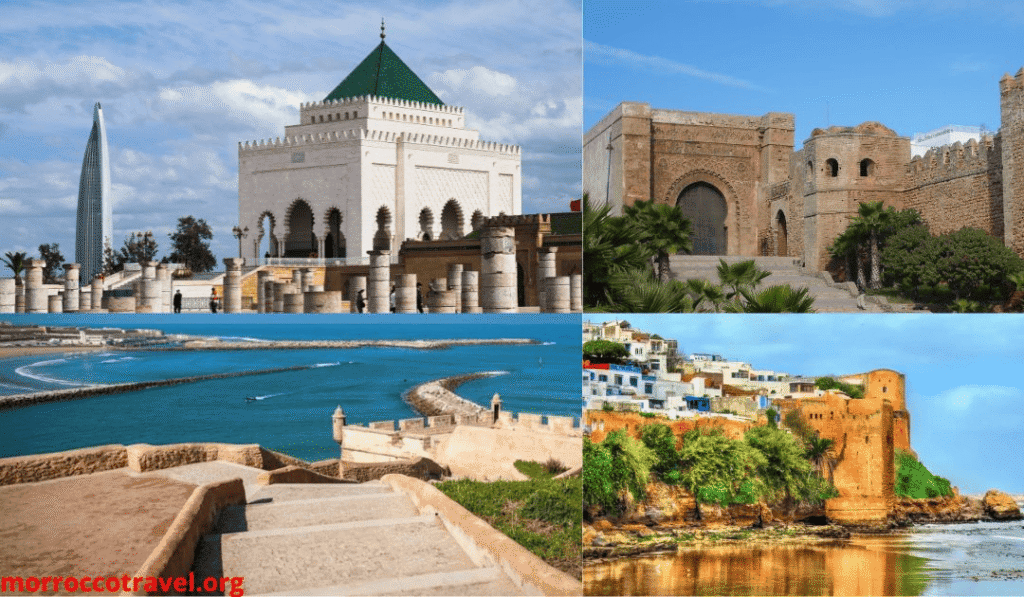
Morocco’s cultural identity fuses Berber, Arab, Andalusian, and African elements. Festivals like the Gnaoua World Music Festival in Essaouira celebrate this diversity, while urban centers like Rabat blend modernity with history.
How History Influences Travel, Architecture, Food, and Traditions Today
The history of Morocco profoundly shapes today’s experiences for travelers and culture seekers. Ancient Roman sites like Volubilis offer archaeological adventures, while Islamic dynasties’ legacies shine in Fez’s medina—home to over 9,000 alleys and tanneries using medieval techniques. Marrakesh’s Jemaa el-Fna square pulses with storytellers and street food, echoing Saadian vibrancy.
Architecture reflects layered influences: Almohad minarets inspire modern mosques, and Alaouite riads provide luxurious stays. Moroccan food, from couscous (Berber origin) to pastilla (Andalusian fusion), tells tales of trade routes. Traditions like henna ceremonies and hammam rituals root in prehistoric communal practices, enhanced by Islamic purity rites. For travelers, hiking the Atlas reveals Berber hospitality, while coastal Essaouira’s windswept ramparts recall Portuguese sieges. In 2026, sustainable tourism initiatives preserve these sites, allowing visitors to immerse in living history.
Conclusion: Why Morocco’s History Matters in 2026
As we reflect on the history of Morocco in 2026, it emerges as a saga of endurance, innovation, and cultural synthesis. From prehistoric Berber settlements to the grandeur of Moroccan dynasties, through colonial trials to modern vibrancy, this North African nation’s past illuminates its present. For travelers, history enthusiasts, and admirers of Moroccan culture, understanding these layers deepens appreciation for its people and places. Morocco’s ability to honor its roots while embracing the future ensures it remains a beacon of inspiration, reminding us that history is not just events but the living spirit of a resilient society.
FAQ: Common Questions About the History of Morocco
1. What are the main indigenous people in the history of Morocco?
The Berbers (Amazigh) are the indigenous inhabitants, with roots tracing back to prehistoric times. They have shaped Moroccan culture through language, customs, and resistance to foreign invasions.
2. Which dynasty founded the city of Fez?
The Idrisid dynasty, established in 789 CE by Idris I, founded Fez under Idris II. It became a center of Islamic learning and remains a key site in Moroccan history.
3. How did Morocco gain independence?
Morocco achieved independence in 1956 after nationalist movements, led by figures like Sultan Muhammad V and the Istiqlal Party, pressured French and Spanish colonial powers amid post-WWII global shifts.
4. What role did the Almohads play in Moroccan dynasties?
The Almohads (1147–1269 CE) were a Berber empire that unified Morocco and parts of Spain, promoting religious reform and building landmarks like the Koutoubia Mosque, influencing North Africa history profoundly.
5. How has colonial history affected modern Moroccan culture?
Colonial influences introduced European architecture and infrastructure, but also sparked nationalism. Today, it blends with indigenous traditions in food, language (French alongside Arabic and Amazigh), and urban planning.
6. Why is the Alaouite dynasty significant today?
Ruling since 1666 CE, the Alaouites provide continuity as Morocco’s current royal family. Under King Muhammad VI, they symbolize stability and cultural preservation in contemporary society.
For more travel guides and cultural insights about Morocco, visit: https://morroccotravel.org
Traveler Reviews & Experiences in Morocco
There are no reviews yet. Be the first one to write one.