Get Around Morocco 2026: The Ultimate Transportation Guide
Table of Contents
Imagine the sun rising over the Atlas Mountains, casting a golden glow on ancient medinas as you embark on an adventure that weaves through bustling souks, serene deserts, and coastal havens. For travelers dreaming of their first or next escape to this enchanting North African gem, getting around Morocco in 2026 promises an exhilarating blend of modern convenience and timeless charm. Whether you’re a solo explorer chasing the thrill of the unknown or a family seeking seamless journeys, mastering Morocco transportation is key to unlocking the country’s soul-stirring landscapes and vibrant culture. From high-speed trains slicing through scenic routes to shared taxis navigating winding roads, this ultimate guide to travel in Morocco will equip you with everything needed to navigate with confidence, safety, and budget-savvy flair. Let the magic begin—your Moroccan odyssey awaits!
As Morocco‘s tourism surges, with projections of even more visitors in 2026, efficient getting around Morocco becomes essential. The ONCF rail network expansions and enhanced bus services make it easier than ever to traverse this diverse land. But with options ranging from affordable local buses to premium domestic flights, choosing the right mode can transform your trip. We’ll dive deep into each, incorporating practical tips, cost comparisons, and safety advice to help you plan like a pro.
Trains in Morocco: Efficient and Scenic Rides with ONCF
When it comes to long-distance travel in Morocco, trains operated by the Office National des Chemins de Fer (ONCF) stand out as a reliable, comfortable, and eco-friendly choice. In 2026, ONCF aims to transport 57 million passengers while generating around $500 million in revenue, reflecting ongoing investments in infrastructure. The network connects major cities like Casablanca, Marrakech, Tangier, Rabat, Fes, and Meknes, making it ideal for intercity hops without the hassle of traffic.
Key routes include the high-speed Al Boraq line from Tangier to Casablanca, covering 320 km in just 2 hours—perfect for travelers arriving at Tangier Med port and heading south. The Al Atlas intercity trains handle routes like Casablanca to Marrakech (246 km, about 3 hours) and Casablanca to Fes (318 km, 4 hours). For a more leisurely pace, conventional trains offer scenic views of rolling hills and rural villages.
Prices are dynamic and affordable: A second-class ticket from Casablanca to Marrakech starts at around 89-172 dirhams (about $9-17 USD), while first-class ranges from 129-224 dirhams ($13-22 USD). High-speed Al Boraq fares are higher, such as Tangier to Casablanca at 99-224 dirhams in second class. Booking opens three months in advance via the ONCF website (www.oncf-voyages.ma) or app—essential during peak seasons like summer or Ramadan in 2026. For example, a family traveling from Marrakech to Fes might spend 200-300 dirhams per person round-trip, far cheaper than flying when factoring in airport transfers.
Tips for a smooth ride: Opt for first-class for reclining seats, air-conditioning, and onboard snacks—great for longer journeys. Trains are punctual, but arrive 30 minutes early for security checks. Safety is high, with low crime rates on board, but keep valuables close in crowded stations. For women traveling alone, dedicated compartments are available on some services. If you’re heading to remote areas like Ouarzazate, combine trains with buses for seamless connections.
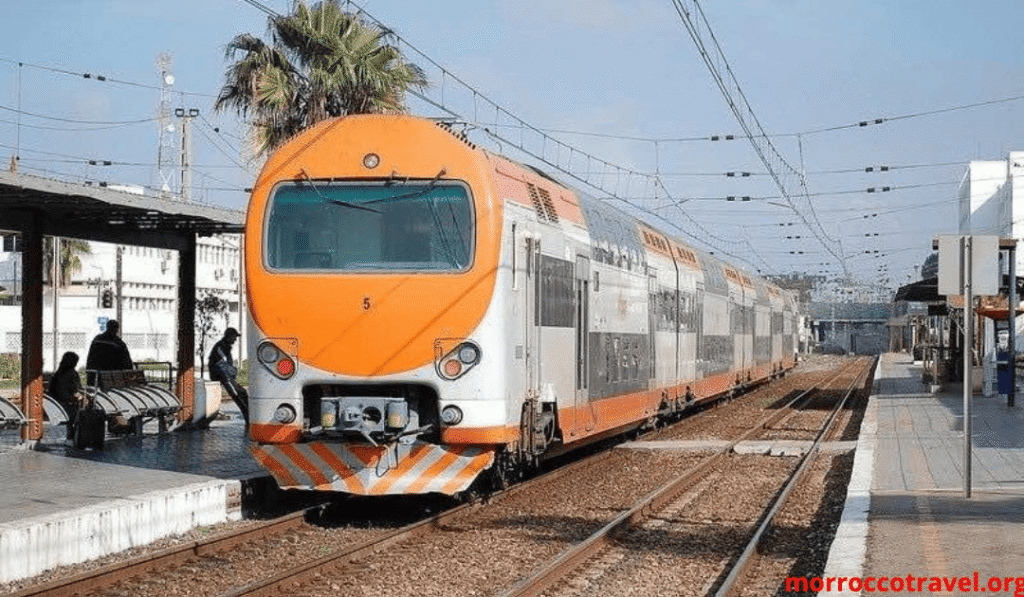
In 2026, with expanded lines potentially reaching more southern destinations, trains remain a top pick for sustainable Morocco transportation, blending speed and affordability.
Buses in Morocco: Affordable and Extensive Networks
For budget-conscious travelers, buses are a cornerstone of getting around Morocco, offering widespread coverage from bustling cities to off-the-beaten-path villages. Major operators like CTM and Supratours dominate, with local buses filling the gaps for shorter, cheaper rides.
CTM and Supratours provide air-conditioned, comfortable coaches with assigned seating and luggage storage. Supratours, affiliated with ONCF, integrates well with trains—ideal for multi-modal trips. Popular routes include Marrakech to Essaouira (3 hours, 100-120 dirhams or $10-12 USD), Marrakech to Fez (8-9 hours, 180-220 dirhams or $18-22 USD), and Casablanca to Marrakech (3.5 hours, 80-100 dirhams or $8-10 USD). In 2026, expect updated schedules via apps like ctm.ma or supratours.ma, with online booking available for convenience.
Local buses, often found at souk stations, are dirt-cheap—think 50-100 dirhams for intercity legs—but less comfortable, with potential overcrowding and no AC. They’re great for authentic experiences, like hopping from Fes to Chefchaouen (4 hours, 120-150 dirhams or $12-15 USD).
Cost comparison: A CTM bus from Agadir to Marrakech costs about 110 dirhams ($11 USD), versus a train at 150 dirhams—buses win for flexibility in remote areas. Practical tips: Book in advance for weekends; pay extra for luggage (10 dirhams). Safety advice: Stick to reputable operators to avoid breakdowns; women should sit near the front. For long hauls, bring snacks as stops are brief.
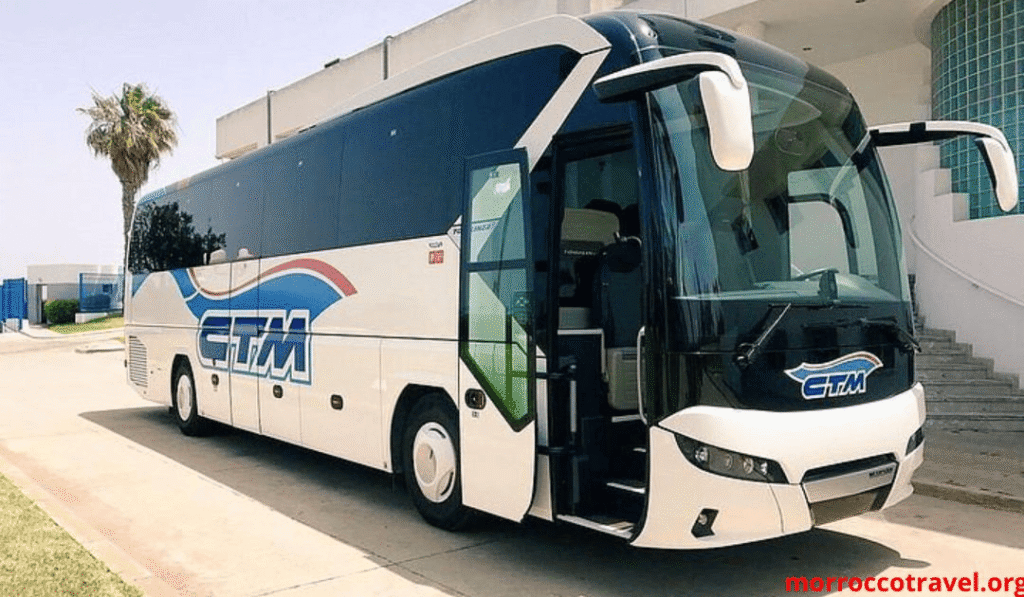
Buses excel in Morocco transportation for their reach, making them indispensable for exploring beyond rail lines.
Grand Taxis vs Petit Taxis: Navigating Urban and Intercity Rides
Taxis are ubiquitous in Morocco, divided into petit (small) and grand (large) varieties, each suited to different needs in travel in Morocco.
Petit taxis are city-bound, seating up to three passengers in compact cars like Dacia Logans. They’re metered (starting at 1.6 dirhams per km, plus night surcharges after 8 PM), with average fares of 25-50 dirhams ($2.50-5 USD) for short urban trips. In Marrakech, a ride from the airport to the medina might cost 70 dirhams fixed. They’re color-coded by city—beige in Marrakech, red in Casablanca—for easy identification.
Grand taxis, often old Mercedes seating six (four in back, two up front), handle intercity and rural routes. They’re shared, with fares per seat: e.g., Marrakech to Essaouira at 100-150 dirhams per person ($10-15 USD), or buy all seats for privacy (six times the single fare). They depart from dedicated stands when full, offering flexibility where buses don’t go.
Pros of petit: Quick, cheap for cities; cons: No out-of-town travel. Grand pros: Reach remote spots; cons: Cramped, haggling required. Safety tips: Agree on fares upfront (no meters in grands), avoid solo night rides, and use apps like Kech Cab in cities. Tipping isn’t mandatory but round up for good service.
Car Rental in Morocco: Freedom with Caution
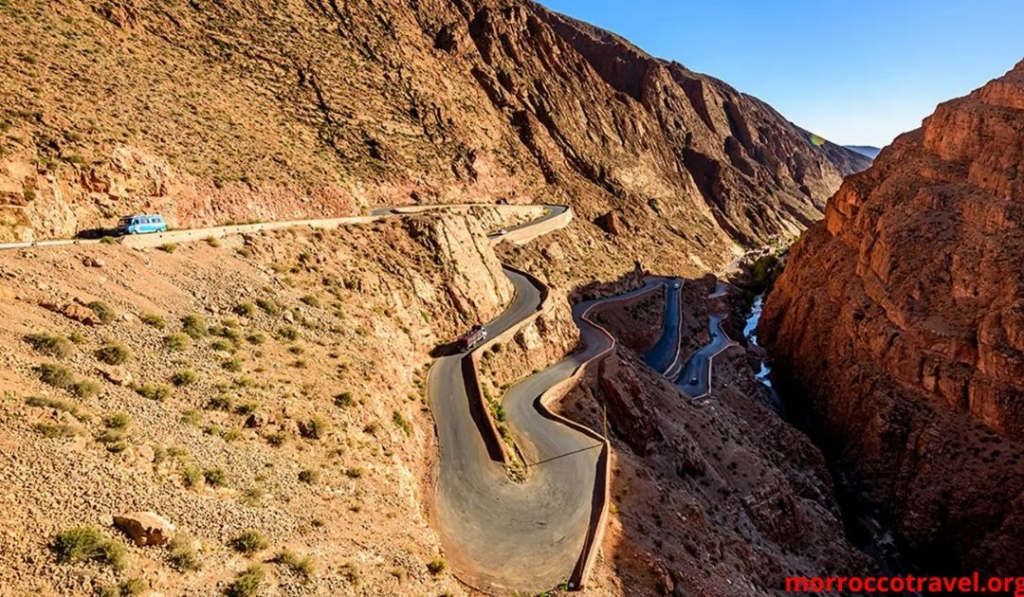
Renting a car offers unparalleled freedom to explore Morocco’s hidden gems, like the Atlas switchbacks or Sahara dunes, at your pace in 2026.
Pros: Flexibility for off-grid spots; scenic drives through mountains; affordable fuel (around 12 dirhams/liter or $1.20 USD). Daily rates start at 150-500 dirhams ($15-50 USD) for economy cars, with 4x4s for rough terrain at 500+ dirhams. Major firms like Hertz or local ones via Discover Cars ensure reliability.
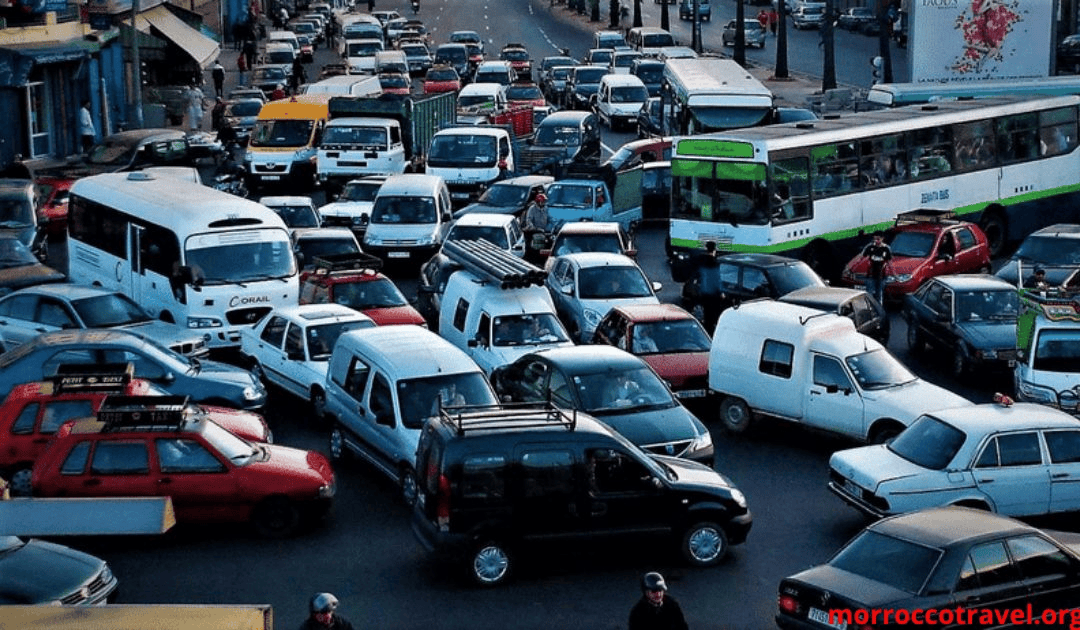
Cons: Chaotic city traffic in Marrakech or Casablanca; poor rural roads; potential scams like inflated damage claims. Driving isn’t for novices—expect aggressive maneuvers and animals on roads.
Safety tips: Get full insurance (CDW with low deductible); no international permit needed but carry your license. Avoid night driving; use GPS apps like Maps.me offline. Police checkpoints are common—stay polite. For families, it’s safer than buses but stressful in cities—park and walk medinas.
Domestic Flights: Quick Hops for Time-Savers
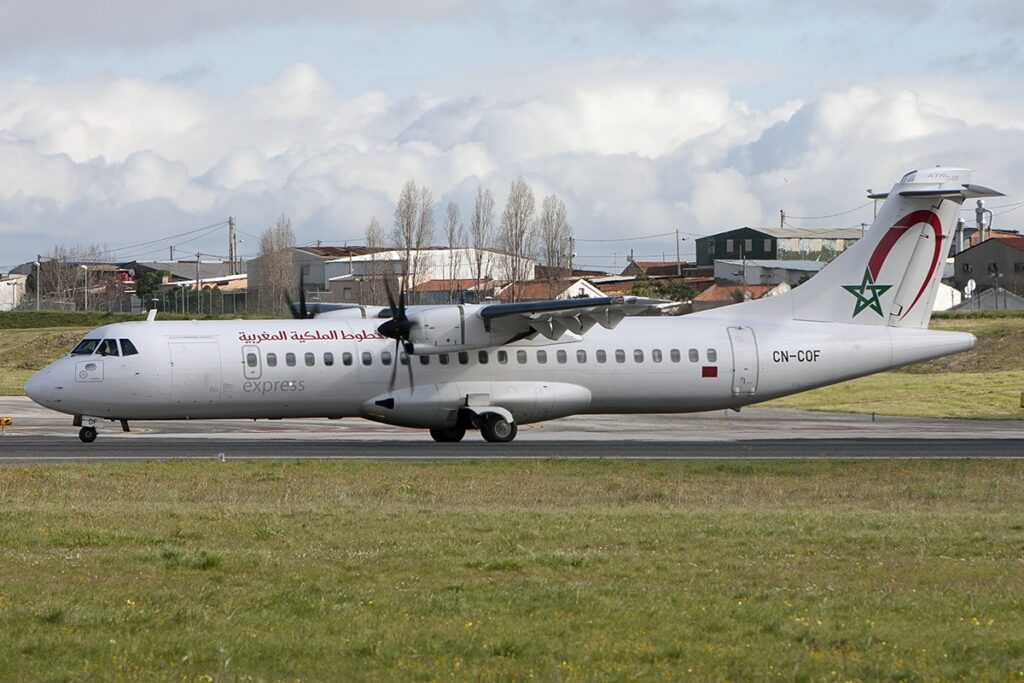
For spanning Morocco’s vast distances quickly, domestic flights in 2026 are efficient, especially with Royal Air Maroc (RAM) and low-cost carriers like Ryanair expanding routes.
RAM connects hubs like Casablanca (CMN) to Marrakech, Agadir, Fes, and Tangier. Fares start at 700 dirhams ($70 USD) one-way for Casablanca-Marrakech (45 minutes), versus 3 hours by train. Budget options like Air Arabia Maroc offer deals from 200 dirhams ($20 USD) for short hops.
Pros: Saves time for multi-region itineraries; comfortable with baggage allowances. Cons: Higher costs (round-trip averages 1,500-3,000 dirhams or $150-300 USD); airport hassles.
Tips: Book via RAM’s site for deals; check baggage fees. Safety is excellent, with modern fleets. For eco-travelers, trains are greener alternatives.
Getting Around Cities vs Long-Distance Travel: Tailored Strategies
Urban mobility in Moroccan cities contrasts sharply with long-distance treks, requiring adaptive strategies for seamless getting around Morocco.
In cities like Marrakech or Casablanca, petit taxis, trams (in Rabat and Casablanca, fares 6 dirhams or $0.60 USD), and city buses (cheap at 4-10 dirhams) dominate. Walk medinas for immersion, but use apps for navigation. Safety: Stick to well-lit areas at night; avoid overcrowded buses.
For long-distance, trains and buses shine for affordability (e.g., train Casablanca-Fes: 200 dirhams vs. flight 700+), while grand taxis or rentals suit flexibility. Compare: A 500 km bus trip costs 200-300 dirhams, car rental 500+ including fuel, but offers stops at viewpoints.
In conclusion, getting around Morocco in 2026 blends adventure with accessibility, from ONCF’s swift trains to the raw charm of grand taxis. Prioritize safety, budget wisely, and embrace the journey—Morocco’s true magic lies in the paths you take. Whether chasing sunsets in the Sahara or sipping mint tea in Fes, these options ensure unforgettable travels.
FAQ
What is the cheapest way to get around Morocco?
Buses like CTM or local options, and shared grand taxis, offer the lowest costs—often under 200 dirhams for intercity trips—compared to trains or flights.
Is it safe to drive a rental car in Morocco?
Yes, with precautions: Stick to daytime driving, get full insurance, and avoid cities if inexperienced. Roads are generally good, but traffic can be chaotic.
How do I book train tickets in Morocco for 2026?
Use the ONCF website or app; booking opens three months ahead. Prices start at 89 dirhams for second-class on popular routes.
What’s the difference between grand and petit taxis?
Petit taxis are for city rides (up to three passengers, metered), while grand taxis handle intercity (shared, up to six, fixed per-seat fares).
Are domestic flights worth it in Morocco?
For time savings on long distances like Casablanca to Agadir, yes—fares from 700 dirhams—but trains are cheaper and more scenic for shorter hops.
Can I use public transport to reach the Sahara Desert?
Yes, combine buses or grand taxis from Marrakech to Ouarzazate, then local transport or tours to Merzouga.
What apps are best for transportation in Morocco?
Try 12Go for bookings, Kech Cab for taxis, and ONCF/CTM apps for schedules.
For more Morocco travel guides, visit https://morroccotravel.org
Traveler Reviews & Experiences in Morocco
There are no reviews yet. Be the first one to write one.