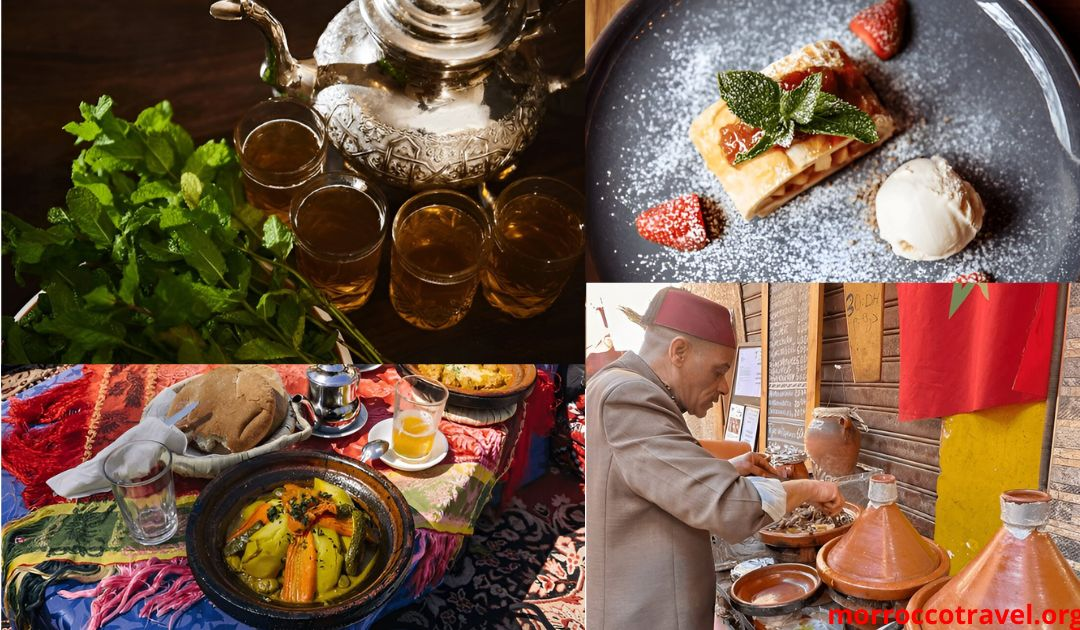
Moroccan Dishes in 2026: The Ultimate Guide to Traditional Moroccan Food Every Traveler Must Try
Table of Contents
Imagine wandering through the labyrinthine souks of Marrakech at dusk, the air thick with the scent of cumin and saffron wafting from hidden kitchens, while the call to prayer echoes in the distance. Or picture yourself perched on a Berber rug in the High Atlas Mountains, sharing a steaming pot of tagine under a canopy of stars. Moroccan dishes aren’t just meals—they’re portals to a vibrant history, a symphony of flavors that dance on your tongue, blending sweet with savory in ways that linger long after the last bite. As a seasoned travel food explorer who’s chased sunsets from the Sahara to the Atlantic coast, I can tell you: in 2026, Moroccan cuisine is more captivating than ever. With a surge in sustainable farming and innovative twists on ancient recipes, it’s drawing food lovers worldwide who crave authenticity amid the chaos of modern life.
Why has Moroccan food captured global hearts? It’s the alchemy of influences—from Berber roots to Arab spices, Andalusian elegance, and even subtle French accents—that creates dishes bursting with complexity yet rooted in simplicity. Travelers like you flock here not just for the landmarks, but to savor stories told through every spice-dusted morsel. Whether you’re a first-time adventurer or a repeat wanderer, this guide will arm you with the essentials to dive into Morocco’s culinary soul. Let’s embark on this flavorful journey together, one dish at a time.
What Makes Moroccan Cuisine Unique in 2026?
Morocco’s food scene in 2026 is a beautiful evolution, where timeless traditions meet contemporary consciousness. At its core, the cuisine draws from a melting pot of cultural influences: the indigenous Berbers brought slow-cooking techniques and hearty grains like couscous; Arab traders introduced exotic spices from the East; Andalusian refugees added refined pastries and almond accents; and Mediterranean touches from Phoenicians and Romans infused olive oils and seafood flair. Even sub-Saharan African elements sneak in through ingredients like argan oil, harvested sustainably in the southwest.
What truly sets it apart? The spices. Ras el hanout—a bespoke blend of up to 40 spices including cinnamon, ginger, turmeric, and saffron—remains the “head of the shop” in every kitchen, but in 2026, eco-friendly sourcing from Taliouine saffron fields and organic cooperatives elevates it. These aren’t just flavor boosters; they’re health heroes, packed with anti-inflammatory properties that align with global wellness trends. Traditional methods shine too: the iconic tagine pot, with its conical lid trapping steam for tender results, symbolizes patience in an era of fast food. Berber earth ovens and communal baking in neighborhood forns (ovens) foster community, while modern twists like plant-based adaptations cater to conscious eaters.
In 2026, sustainability is key—think zero-waste markets in Fes using every part of the ingredient, or Marrakech chefs partnering with local farms for fresher, greener plates. This uniqueness isn’t just taste; it’s a lifestyle that invites you to slow down, share, and savor.
Top 15 Traditional Moroccan Dishes
No trip to Morocco is complete without indulging in these classics. Each tells a tale of heritage, with flavors that evolve subtly in 2026 through fresher, locally sourced twists. Here’s my curated list, complete with what makes them special.
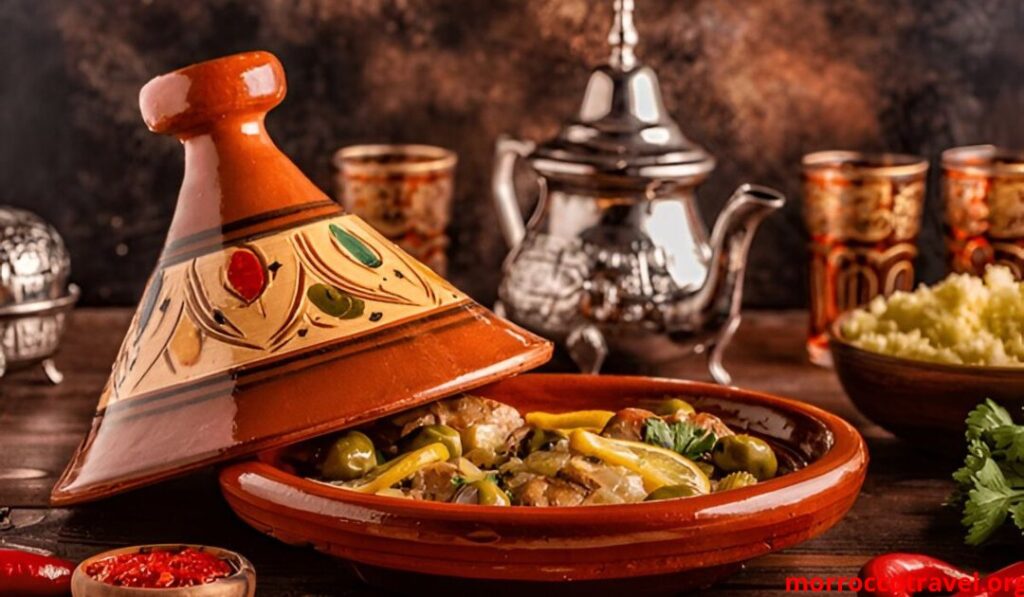
1. Chicken Tagine with Preserved Lemons and Olives
This slow-cooked wonder simmers tender chicken with tangy preserved lemons, briny olives, and a medley of spices like ginger and saffron. The clay pot infuses an earthy depth, creating a juicy, aromatic stew. Ingredients: Chicken, onions, garlic, olives, preserved lemons, cilantro, and olive oil. Try it in Marrakech’s riad restaurants or a Berber homestay in the Atlas. Tourists rave about its balance of salty and citrusy notes—perfect for dipping bread, and in 2026, many versions use free-range poultry for ethical appeal.
2. Lamb Tagine with Prunes and Almonds
A sweeter take on tagine, featuring succulent lamb braised with honey-glazed prunes, toasted almonds, and cinnamon. The result? Melt-in-your-mouth meat with a caramelized fruit contrast. Key ingredients: Lamb, prunes, almonds, sesame seeds, and ras el hanout. Head to Fes medina eateries for authentic renditions. Visitors love the festive vibe—it feels like a celebration in every bite, especially with 2026’s trend toward nut-free alternatives for allergens.
3. Vegetable Tagine
A vibrant medley of seasonal veggies like carrots, zucchini, and potatoes stewed with chickpeas and spices. In 2026, it’s amplified with heirloom varieties from organic farms. Ingredients: Mixed vegetables, tomatoes, garlic, cumin, and harissa for heat. Sample it in vegetarian-friendly spots in Chefchaouen. It’s adored for its hearty yet light profile, ideal for health-focused travelers seeking plant-powered energy.
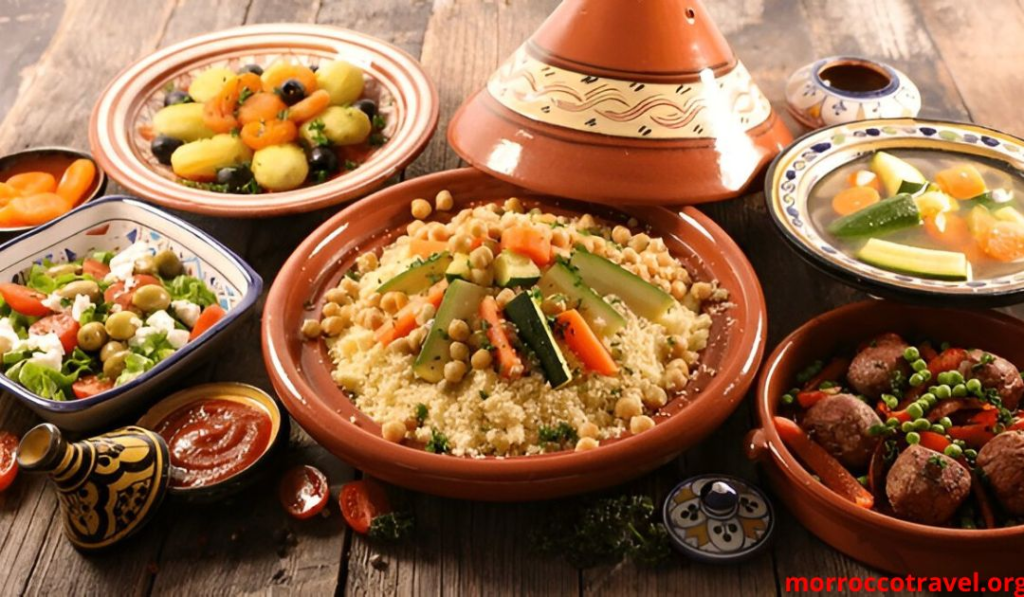
4. Couscous with Seven Vegetables
Steamed semolina grains topped with a rainbow of veggies (carrots, turnips, cabbage, etc.) and sometimes meat, symbolizing abundance. The fluffing process is an art. Ingredients: Couscous, vegetables, chickpeas, saffron, and butter. Friday lunches in Rabat homes are prime; tourists cherish the communal ritual and its nourishing, fiber-rich goodness.
5. Pastilla (B’stilla)
A flaky phyllo pie stuffed with shredded chicken, eggs, almonds, and dusted with cinnamon sugar—sweet-savory perfection. Pigeon versions exist for the adventurous. Ingredients: Phyllo dough, chicken, almonds, eggs, and spices. Fes is the birthplace; try it there. Globetrotters flip for the unexpected crunch and flavor fusion, now with gluten-free options in 2026.
6. Harira Soup
A thick, tomato-based broth with lentils, chickpeas, vermicelli, and herbs, often spiced with ginger and cinnamon. Ramadan’s star, but year-round comfort. Ingredients: Tomatoes, lentils, chickpeas, celery, and lamb (optional). Evening stalls in Casablanca serve the best. Fans appreciate its warming, protein-packed sustenance, especially with 2026’s vegan spins.
7. Zaalouk (Eggplant Salad)
Smoky mashed eggplant with tomatoes, garlic, paprika, and cumin—served warm or cold as a dip. Ingredients: Eggplant, tomatoes, olive oil, cilantro. Ubiquitous in Meknes; pair with bread. Its creamy texture and bold smokiness win over even eggplant skeptics, highlighting Morocco’s veggie prowess.
8. Tanjia (Marrakshi Specialty)
Like a Moroccan pot roast: beef or lamb marinated with preserved lemons and spices, slow-cooked in a clay urn buried in embers. Ingredients: Meat, preserved lemons, garlic, cumin. Marrakech’s tanneries area for traditional prep. The tender, fall-apart result thrills meat lovers, with sustainable sourcing in 2026 adding eco-cred.
9. Mechoui (Roast Lamb)
Whole lamb roasted over coals until crispy outside, juicy inside—often seasoned simply with salt. Ingredients: Lamb, salt, cumin. Desert camps near Merzouga offer epic versions. The communal feasting and primal flavors make it a highlight for carnivorous explorers.
10. Khobz (Moroccan Bread)
Round, fluffy flatbread baked in communal ovens—essential for scooping everything. Ingredients: Flour, yeast, salt. Fresh from any forn in Tangier. Its simplicity and versatility endear it to all, with whole-grain varieties booming in 2026 for health buffs.
11. Mint Tea (Atay)
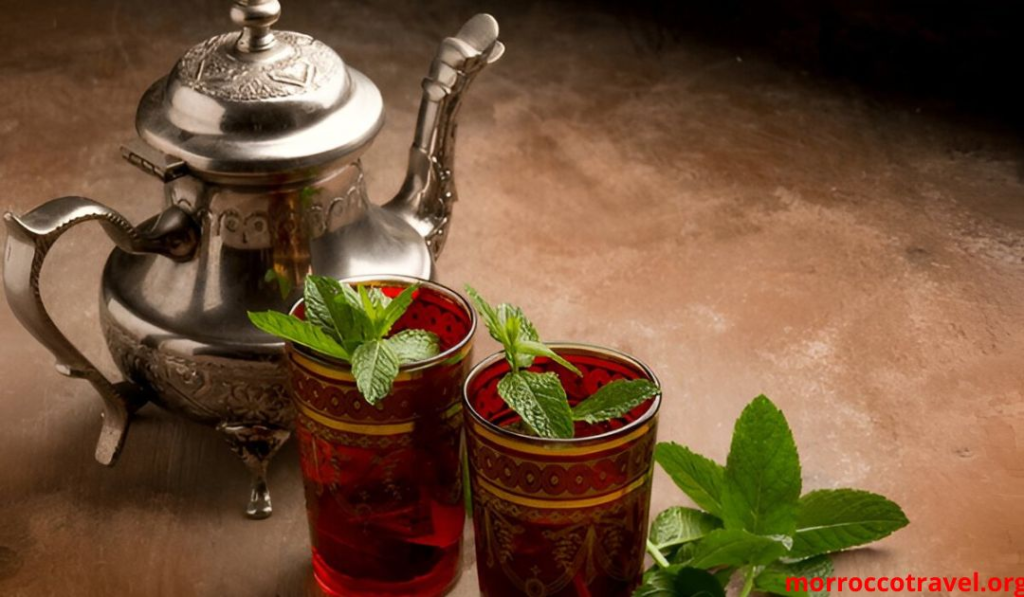
Green tea infused with fresh mint and sugar, poured from height for froth. More ritual than drink. Ingredients: Gunpowder tea, mint, sugar. Everywhere, but Atlas villages for the purest. The refreshing sweetness and hospitality it embodies charm every visitor.
12. Rfissa (Chicken with Lentils and Fenugreek)
Shredded bread soaked in a fenugreek-scented broth with chicken and lentils. Ingredients: Chicken, lentils, msemmen bread, fenugreek. Rural areas like the Rif. Its comforting, herb-forward depth surprises and satisfies.
13. Kefta (Meatballs)
Spiced ground meat balls in tomato sauce with eggs—tagine style. Ingredients: Beef/lamb mince, parsley, cumin, eggs. Street eats in Agadir. The juicy, herby bites are addictive for quick, flavorful hits.
14. Briouats (Stuffed Pastries)
Crispy triangles filled with cheese, veggies, or seafood. Ingredients: Phyllo, fillings like spinach or shrimp. Coastal Essaouira for seafood ones. Their portable crunch appeals to on-the-go adventurers.
15. Makouda (Potato Fritters)
Spicy mashed potato patties fried golden. Ingredients: Potatoes, garlic, cumin. Medina snacks in Tetouan. The street-food simplicity and spice kick make them irresistible.
Street Food in Morocco
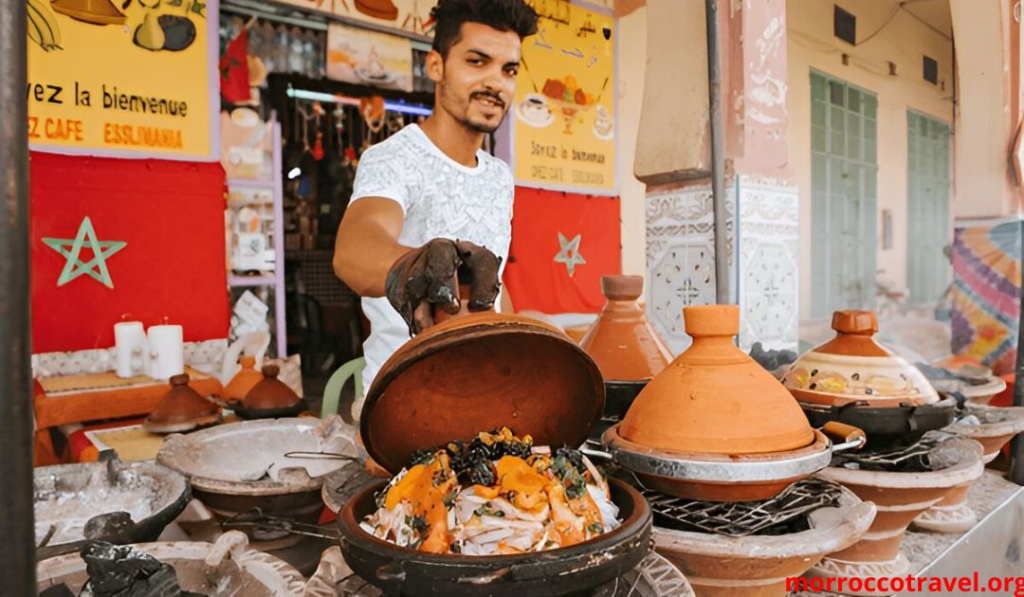
Morocco’s streets pulse with edible adventures in 2026, where hygiene standards have improved with app-based vendor ratings. Dive into bustling medinas for maakouda—those addictive potato fritters dusted with cumin—or grab brochettes (grilled skewers) sizzling over charcoal, marinated in harissa for a fiery punch. In Marrakech’s Jemaa el-Fnaa, snail soup (babbouche) simmers in ginger-laced broth, a slimy yet savory surprise. Don’t miss harcha, semolina flatbreads slathered with honey, or fresh-pressed sugar cane juice for a natural buzz.
Vegetarian gems abound: bissara (fava bean soup) topped with olive oil in Fes, or olive assortments from roadside stands. For sweets, chebakia—honey-soaked sesame cookies—crunch delightfully. Safety tip: Opt for busy stalls with quick turnover. In 2026, food trucks in Casablanca fuse street eats with global twists, like harissa tacos, blending tradition with innovation.
Vegetarian Moroccan Dishes
Morocco’s plant-based offerings shine brighter in 2026, with rising vegan tourism prompting more options. Zaalouk leads as a smoky eggplant dip, while vegetable tagine bursts with root veggies and apricots for natural sweetness. Harira can go meat-free with extra lentils for protein. Try bessara, a garlicky fava bean puree, or loubia (white bean stew) simmered in tomato-cumin sauce.
Couscous with seven vegetables is a staple, fluffy and fragrant. For snacks, briouats stuffed with spinach and feta, or shakshouka (eggs in spicy tomato)—though vegans swap eggs for tofu in modern spots. In Chefchaouen, fresh salads with argan oil dressing refresh. These dishes prove Morocco’s cuisine is inherently veggie-friendly, emphasizing fresh produce and bold herbs.
Moroccan Desserts
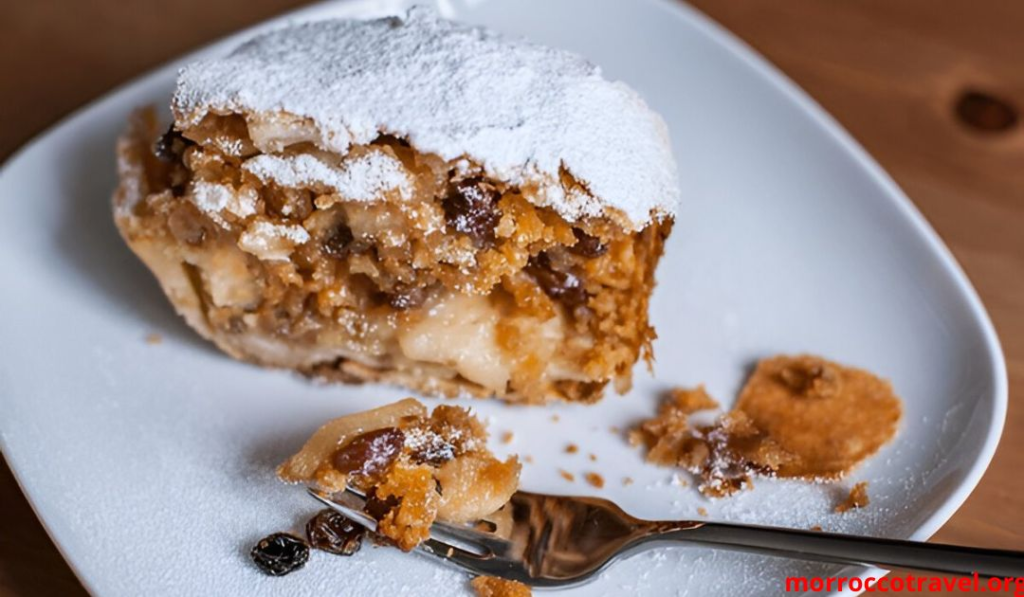
End on a high note with Morocco’s sweets, where honey and nuts reign. Chebakia, those intricate fried dough twists soaked in honey and sesame, are Ramadan favorites but available year-round. Kaab el ghzal (gazelle horns) hide almond paste in crescent pastry, dusted with powdered sugar.
Sellou (sfouf), a roasted flour mix with nuts and honey, packs energy. Meskouta, orange cake scented with blossom water, offers citrus lightness. In 2026, healthier versions use date sugar and gluten-free flours. Baghrir pancakes drizzled with amlou (argan-almond butter) feel indulgent yet nourishing. These treats evoke joy, perfect for souk strolls or riad evenings.
Dining Etiquette in Morocco
Respect is the spice of Moroccan meals. In 2026, with more cultural exchanges, knowing etiquette enhances connections. Eat with your right hand—left is for hygiene. In communal settings, stick to your “triangle” of the shared plate; no reaching across.
Wash hands before eating, often with a poured kettle. Say “Bismillah” (in God’s name) to start, and compliment the host. Bread is your utensil for scooping. Burping shows appreciation! Tipping 10% in restaurants, but in homes, bring sweets or fruit. For tea, accept at least three pours—it’s hospitality’s heartbeat. These customs foster warmth, turning meals into memorable bonds.
Is Moroccan Food Healthy? (2026 Perspective)
Absolutely, with caveats. Moroccan cuisine’s foundation—olive oil, veggies, legumes, and spices like turmeric—aligns with Mediterranean diets, reducing heart disease risks. Studies in 2026 highlight its anti-inflammatory benefits from ras el hanout and argan oil’s antioxidants.
High fiber from couscous and lentils aids digestion, while fresh fruits combat sugar cravings. However, portions can be generous, and street fried items add calories. Salt in preserved lemons and olives demands moderation for blood pressure. In 2026, health trends emphasize low-sodium adaptations and plant-based shifts, making it even better. Overall, it’s nourishing fuel for explorers, promoting longevity when balanced.
Best Cities in Morocco for Food Lovers
In 2026, these hubs tantalize with evolving scenes.
- Marrakech: Street food paradise—Jemaa el-Fnaa’s grilled delights and riad fine dining. [Link to Marrakech Guide Placeholder]
- Fes: Culinary capital for pastilla and ancient medina markets. Family cooking classes abound.
- Essaouira: Seafood heaven—fresh grilled fish from the port, with Atlantic breezes.
- Chefchaouen: Blue-hued charm with goat cheese salads and mountain herbs.
- Casablanca: Modern fusion—central market’s harira and international twists.
- Rabat: Royal elegance—couscous Fridays and coastal oysters.
- Tangier: Crossroads vibe—Mediterranean influences in tapas-like snacks.
Each city offers unique bites, blending tradition with 2026’s sustainable innovations.
FAQ
What is the most famous Moroccan dish?
Tagine reigns supreme—a slow-cooked stew in a clay pot, varying from chicken with olives to lamb with prunes. Its versatility and depth make it iconic, enjoyed nationwide.
Is Moroccan food spicy?
Not overwhelmingly; it’s more aromatic than hot. Harissa adds optional heat, but spices like cumin and cinnamon dominate for warmth without fire. Adjust to taste.
Is Moroccan food vegetarian friendly?
Yes! Dishes like zaalouk, vegetable tagine, and bessara are staples. In 2026, vegan options proliferate in tourist areas, emphasizing Morocco’s veggie-rich heritage.
What should tourists try first?
Start with mint tea and a tagine—simple yet emblematic. It eases you into flavors while experiencing hospitality.
How much does Moroccan food cost in 2026?
Street eats: 20-50 MAD ($2-5). Restaurant meals: 100-300 MAD ($10-30). Fine dining: 500+ MAD. Inflation’s mild, but sustainable spots charge premiums.
Is street food safe in Morocco?
Generally yes—choose busy vendors with fresh prep. In 2026, hygiene apps and regulations boost safety. Stick to cooked items and peel fruits.
Conclusion
As the sun dips over the Sahara, casting golden hues on your last tagine, you’ll realize Moroccan dishes are more than sustenance—they’re invitations to connect, to wander deeper into this enchanting land. In 2026, with its focus on ethical sourcing and cultural preservation, exploring these flavors feels like honoring a legacy while forging your own memories. So pack your bags, fellow traveler, and let Morocco’s cuisine awaken your senses. Whether sharing harira in a Fes riad or sipping mint tea in the mountains, you’ll return home transformed, craving that magical blend of spice and soul. Bon appétit—or as they say, b’saha!
Traveler Reviews & Experiences in Morocco
There are no reviews yet. Be the first one to write one.